Pearl Shapes Guide: Baroque, Round, Drop, Button, and More
When we think about pearls, color often gets all the attention, but shape can quietly change everything. The way a pearl is formed gives it personality, and that personality shows in how the jewelry feels when worn.
Some pearl shapes look polished and timeless, while others feel artistic and bold. This is why understanding the types of pearl shapes matters just as much as knowing their hues, and we begin to see how two pieces can feel completely different, even if they share the same color and luster. In this blog, we will discuss common pearl shapes and their impact on the beholder.
How Different Pearl Shapes Look, Feel, and Wear
Pearl shapes exist on a spectrum, moving from perfectly symmetrical forms to beautifully irregular creations, and understanding this flow makes exploring the types of pearl shapes feel intuitive.
Round and Near-Round Pearls
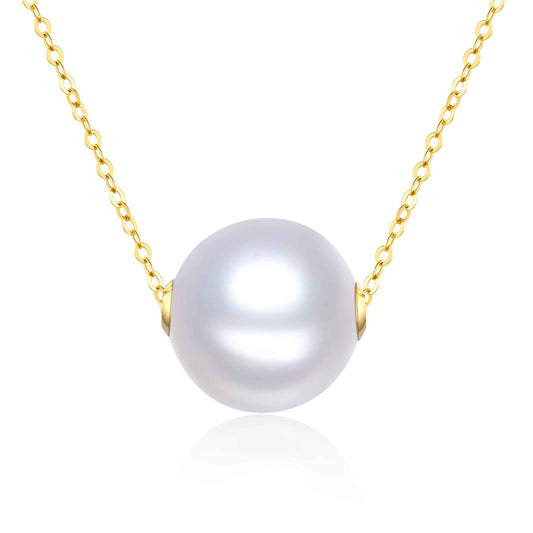
Round pearls sit at the very top of classic elegance, and they are often seen as the standard among all pearl shapes because of their symmetry and balance. They reflect light evenly, which gives them a refined glow that never feels out of place.
Near-round pearls offer a softer take on this perfection, with slight variations that feel natural yet still polished. In the wider world of types of pearl shapes, they prove that perfection is not always about exact symmetry.
Button Pearls
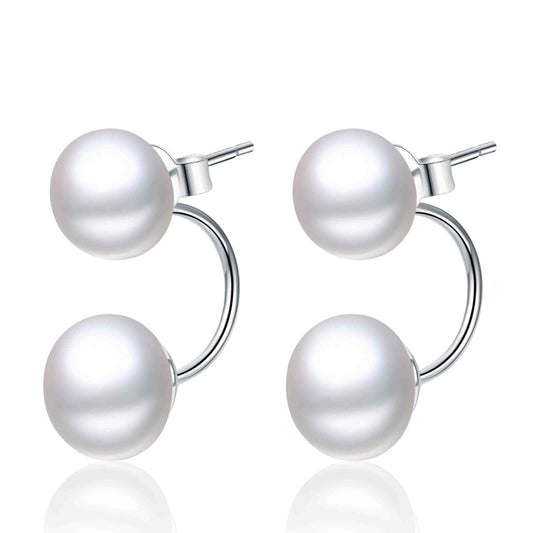
Button pearls are slightly flattened, which makes them incredibly practical for everyday wear. Their shape allows them to sit neatly against the ear or skin, making them ideal for studs and simple pendants. This balance is why they appear so often in jewelry that is meant to be worn regularly and styled effortlessly.
Drop, Pear, and Oval Pearls

These elongated pearl shapes bring a sense of movement and grace to any design. Drop pearls taper gently, while pear shapes add a slightly more defined point, and oval pearls stretch the form in a softer way.
They are often used in earrings and pendants because they naturally draw the eye downward. In some cases, even a blister pearl can be shaped into these forms, adding a unique twist to otherwise classic silhouettes.
Coin Pearls
Coin pearls stand out for their flat, round surfaces, which give them a bold yet clean appearance. They reflect light differently compared to traditional pearl shapes, creating a more graphic look that feels modern.
Their wide face makes them eye-catching without being overwhelming. This makes them a favorite for those who want something slightly different while still staying within classic pearl styling.


Baroque Pearls
Baroque pearls are all about individuality, and they break away from symmetry in the most beautiful way. When we ask what baroque pearls are, the answer is simple: they are pearls with irregular, free-form shapes that feel organic and unique.
Each baroque pearl has its own personality, which is why baroque pearl earrings often look artistic and one-of-a-kind. Instead of chasing perfection, these pearls celebrate variation, making them one of the most expressive types of pearl shapes.
Keshi Pearls
Keshi pearls have a light, airy look that feels almost effortless. They are typically irregular and lack a solid nucleus, giving them a softer structure and an intense luster.
Among different pearl shapes, they appeal to those who enjoy texture and individuality without going too bold. Their organic nature makes them feel special, almost like each piece carries a quiet story within it.
Mabe and Blister Pearls
Blister pearl formations grow attached to the shell, which is why they often appear as half-domes rather than full spheres. Mabe pearls are a refined version of this, shaped and backed to create a smooth, rounded surface.
These pearl shapes feel sculptural and are often used in statement jewelry. Understanding the difference helps explain why a blister pearl looks flatter while a Mabe pearl appears more finished and structured.
Rice and Potato Pearls
Rice pearls are small and slightly elongated, giving them a delicate and flowing look that works well in layered designs. Potato pearls, on the other hand, are more rounded yet still irregular, offering a relaxed, casual feel.
These pearl shapes may not be as dramatic, but they are incredibly versatile. They often appear in jewelry meant for daily wear, where subtle charm matters more than bold impact.
How to Choose the Right Pearl Shape for Your Style

Choosing between different types of pearl shapes becomes easier when you think about personal style rather than strict rules:
- If you prefer polished looks, round or near-round pearls naturally fit that vision.
- For something relaxed yet elegant, button or potato pearls offer comfort without losing charm.
- Those who enjoy movement and elongation may lean toward drop or oval pearl shapes, especially in earrings.
- If individuality matters more than symmetry, a baroque pearl or keshi pearl can bring that sense of uniqueness.
- Blister pearl and Mabe styles suit those who like bold, sculptural designs that stand out.
In the end, the best choice depends on how you want the piece to feel when you wear it.
FAQs
Are baroque pearls less valuable than round pearls?
Baroque pearls are usually less expensive because they are not perfectly round, but they are highly valued for their uniqueness. Many people choose them for their artistic appeal rather than traditional standards.
What is the difference between a blister pearl and a Mabe pearl?
A blister pearl forms attached to the shell and has a natural, dome-shaped form. A Mabe pearl is crafted from a blister pearl and finished with a backing to create a smoother look.
Are drop pearls and pear pearls the same?
Drop pearls have a softer, more rounded taper, while pear pearls have a slightly sharper point. They are similar but create slightly different visual effects in jewelry.
Which pearl shape is best for earrings?
Drop and button pearls are popular for earrings because they sit well and create flattering lines. The best choice depends on whether you want movement or a neat, close fit.
Which pearl shape feels most classic?
Round pearls are considered the most classic because of their symmetry and timeless appeal. They remain the benchmark for traditional pearl jewelry.
The Best Pearl Shape is the One That Feels Right on You
After exploring all types of pearl shapes, it becomes clear that there is no single “best” option. Each shape carries its own mood, from structured and classic to free-flowing and artistic.
The beauty of pearl shapes lies in their adaptability to personal expression, allowing you to choose pieces that reflect who you are. Whether you are drawn to symmetry or irregularity, there is always a shape that feels just right. As you become more aware of these differences, selecting pearl jewelry becomes a more thoughtful and enjoyable experience.
If you want to discover designs arranged by shape and find what speaks to you naturally, explore the Timeless Pearl Jewelry Collection.