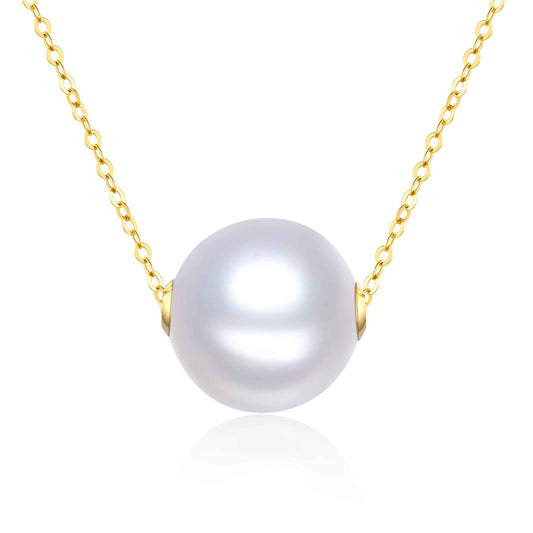
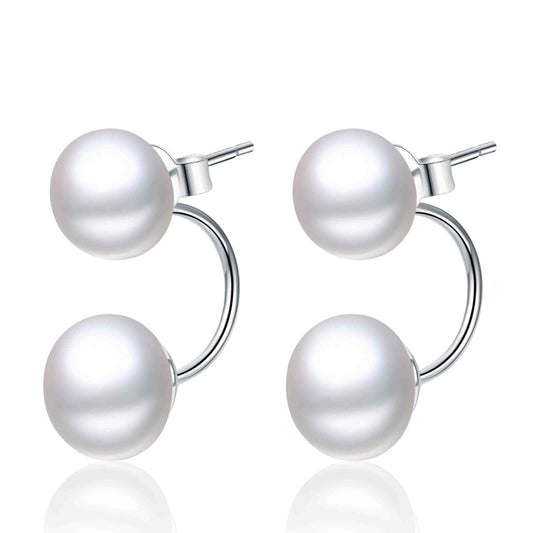
Pearl Knotting vs. Solid Strand: Pros, Cons & Care Tips
A string of pearls is more than jewelry; it’s a rhythm, much like crochet. Each pearl is like a stitch, and each knot is its own quiet anchor, separating and protecting the beads just as chain stitches shape a pattern.
Every knot serves a purpose: it gives structure, ensures a graceful drape, and safeguards the pearls should the strand ever break. Choosing the right thread is as crucial as picking the perfect yarn, smooth, strong, and flexible. Then comes the rhythm: knot, pearl, thread, repeat. Like a perfect row of stitches, each pearl rests in harmony, tension even, spacing precise.
In this blog, we compare pearl knotting and solid strands, weighing their pros and cons, and sharing simple care tips to keep your pearls radiant for years.
What Is Pearl Knotting?
A tiny knot, typically made with fine silk or sturdy nylon thread, is tied between each pearl on a string in the ageless jewelry-making process known as pearl knotting. Because of its aesthetic appeal and practicality, this technique is particularly well-liked in expensive cultured pearl jewelry.
The pearls' inherent shine is preserved for years by the knots, which function as microscopic buffers to keep the pearls from rubbing against one another and getting scratched. In addition to being aesthetically pleasing, pearl knotting provides a safety precaution since, if the strand breaks, only one pearl, not the entire set, would come off. For both freshwater and saltwater pearl strands, this makes it a reliable option.
Pearl knotting, a detail that turns ordinary pearls into heirloom-worthy jewels, is frequently seen in high-end pearl necklaces with matching earrings. It exhibits excellent craftsmanship and guarantees that each piece is both secure and gorgeous.
Pros and Cons of Pearl Knotting
Pearl knotting is a timeless jewelry-making technique that not only enhances a strand’s elegance but also protects the beauty of each pearl. Like any method, it comes with its own set of advantages and drawbacks.
Pros of Pearl Knotting
- Prevents Damage: For delicate freshwater pearls in particular, knots prevent each pearl from rubbing against the one before it.
- Increased Security: Only one pearl, not the entire necklace, will fall off if the strand breaks.
- Elegant Appearance: The pearls' spacing gives the jewelry a sophisticated, opulent appearance.
- Improved Longevity: With the right treatment, pearls can retain their shine for many years.
Cons of Pearl Knotting
- Larger Cost: This method is a little more costly because it calls for more work and expertise.
- Maintenance Requirement: Silk or nylon thread may stretch or fray with time, necessitating periodic restringing.
- Time-consuming Repairs: To maintain the alignment and design, restringing must be done carefully.
While pearl knotting offers unmatched elegance and protection, it also requires more investment and upkeep.
What Is a Solid Strand of Pearls
Just like a row of tightly spaced crochet stitches that flow continuously, a solid strand is made when pearls are strung straight against each other without knots in between, creating a smooth, uninterrupted line. The strand drapes naturally without the delicate pauses of knots, producing a seamless, continuous silhouette that seems effortless and contemporary.
Similar to how a crochet artist may opt for a short, easy stitch to produce striking motifs without complex looping, solid strands are frequently preferred in designs that are either fashionable or economical. They provide beauty without the extra time or expense of knotting, combining efficiency and grace.
Solid strands are most frequently used in costume jewelry or with more resilient freshwater pearls, much like the robust yarn used for an everyday crochet bag. This type of cultured pearl is a useful yet eye-catching option because many of them are strong enough to maintain their form and shine without additional support.
Pros and Cons of Solid Pearl Strands
Solid pearl strands offer a sleek, uninterrupted look that appeals to many modern jewelry lovers. While they’re often more affordable and stylish, they do come with certain durability trade-offs.
Pros of Solid Pearl Strands
- Often more economical: Solid pearl strands can be less expensive without sacrificing style, much like picking simpler yarn for a crochet project.
- More uniform or compact appearance: The pearls lie closely together, giving the appearance of a clean, contemporary seam.
- Ideal for modern, informal designs: Solid strands work well for daily wear, much like simple stitching designs.
Cons of Solid Pearl Strands
- Over time, pearls may chip or scratch: Pearls in a solid strand are susceptible to surface wear, much like delicate crochet lace can snag.
- All of the pearls may scatter if the string breaks: Imagine the entire system loosening with a single break, like a seam coming undone.
- Not the best for real pearls' long-term durability: The absence of knotting weakens them with time, much like using delicate thread for a bulky garment.
If you’re seeking a clean, contemporary style at a lower cost, solid pearl strands can be a great choice. Just be mindful of their long-term care to keep them looking flawless.
How to Choose: Knotting vs. Solid Strand

Choosing between pearl knotting and a solid strand is a bit like deciding whether to finish your project with the precise speed of a continuous chain stitch or the patient rhythm of hand-crocheted lace. Both are beautiful, but they serve different purposes.
Pearl Knotting
- Perfect for heirlooms and keepsakes that carry timeless elegance.
- Each cultured pearl is individually secured, like a loop in intricate crochet, adding both protection and artistry.
- Ideal for matching sets (necklaces, earrings, bracelets) where every detail matters.
- Brings classic beauty that lasts for generations.
Solid Pearl Strand
- Best for sleek, modern, and everyday wear.
- Pearls sit closely together, like a bold stripe running uninterrupted in a crochet design.
- Offers a clean, contemporary look, great for layering or styling experiments.
- Balances charm with ease and versatility.
Both styles have their own character, whether you’re after the romance of tradition or the simplicity of modern elegance, the right choice comes down to your lifestyle and style goals.


Pearl Care Tips for Both Styles
Whether your pearls are strung in a seamless, solid strand or knotted like tiny crochet loops, proper care ensures their beauty lasts for years.
Pearl Care Essentials
- Store Flat & Protected: Keep pearls away from sharp objects that could snag or scratch them.
- Clean Gently: After each wear, wipe them softly to remove skin oils, much like brushing lint off a crocheted shawl.
-
Avoid Harsh Chemicals: Hairspray, perfume, and cleaning agents can dull their natural luster.
- Restring Regularly: For knotted strands, consider restringing every 1–2 years to maintain thread strength.
- Use Soft Storage: Place freshwater pearls or genuine pearl earrings in a lined jewelry box or soft pouch.
With a little routine care, both knotted and solid strand designs can retain their shine and elegance for generations.
It’s Not Just Style, It’s Longevity

Your jewelry will continue to sparkle for many years to come thanks to Timeless Pearl's expertly crafted pieces, which combine elegance and durability. Every strand is meticulously strung at Timeless Pearl. Choose a look that tells your narrative and stick with it for the rest of your life. Choose pearls from our collection that capture your own style, then hold onto them for a lifetime.
Learn how to create pearls that last by shopping now from Timeless Pearl.