Is a Pearl a gemstone? What Pearl Actually Is (Stone, Mineral, or Gem?)
Are pearls simply shiny stones, or do they actually qualify as gemstones? It is a question we often hear, especially when people try to place pearls alongside diamonds or sapphires.
In this blog, we will unravel the true classification of pearls and why they are often grouped with gemstones even though they are not minerals. By the end, you will clearly understand what pearls are, how they fit into the gem world, and where they stand between stones, minerals, and gems.
What is a Pearl?
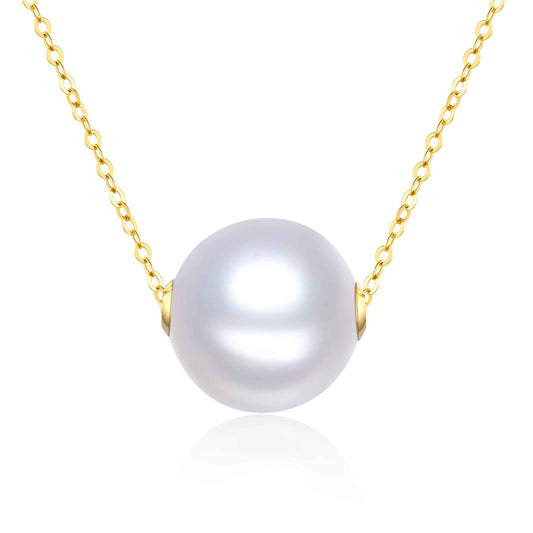
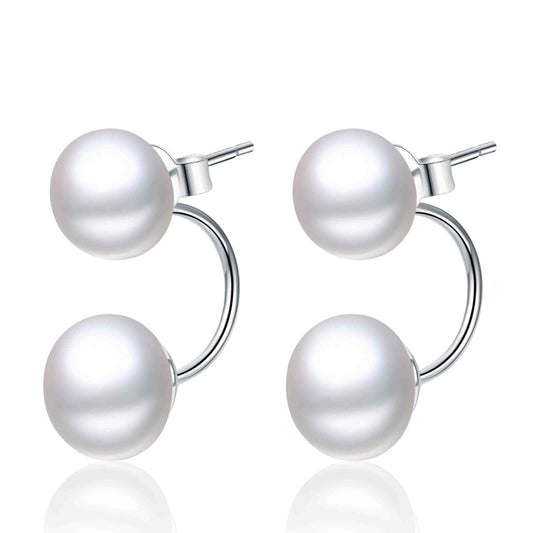
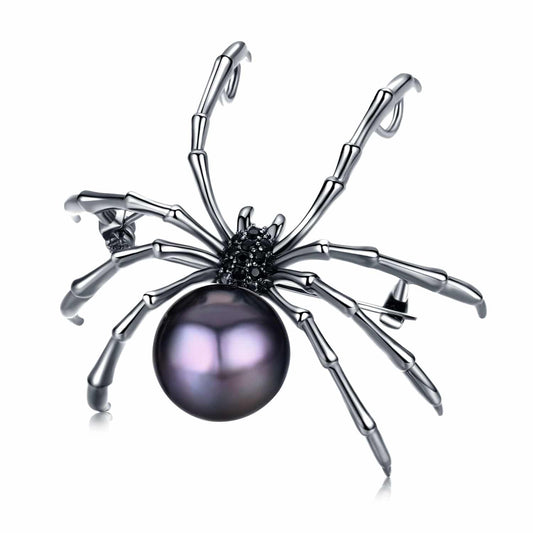
A pearl is a natural formation created inside a mollusk, such as an oyster or mussel, when it coats an irritant with layers of nacre. When people ask what pearls are, this is the core answer.
Nacre is the smooth, glowing substance that also forms mother-of-pearl, but the two are not the same. Mother-of-pearl lines the shell, while a pearl is a rounded result of layered nacre.
Why Pearls Are Called Stones Even Though They Aren’t
In everyday language, many people refer to a pearl as a stone without thinking twice. It sounds natural because pearls are used in jewelry just like gemstones. However, this term is more casual than scientific.
In gemology, the pearl definition does not classify it as a stone because it is not formed from minerals in the earth. Still, the word “stone” sticks because of tradition and convenience. Jewelry language often bends the rules, while geology keeps them strict, and pearls sit right in between those two worlds.
How Pearls Fit Between Gems and Minerals

A mineral is a naturally occurring, inorganic substance with a defined chemical structure. A gem, however, is a broader term used in jewelry for materials valued for beauty and rarity.
That means pearl, a gemstone, is not wrong, even if it is not a mineral. Pearls fall into a special category called organic gems, which are formed by living organisms rather than geological processes.
How Pearls Form and Why Their Origin Changes the Classification
To really understand what pearls are, we need to look at how they form. A pearl begins when a tiny irritant enters a mollusk. To protect itself, the mollusk coats the irritant with layers of nacre over time. This slow process creates the smooth, luminous surface we admire.
When we define pearls through their origin, it becomes clear why they are different from mined gems. Because pearls are formed inside a living organism, they are not considered minerals. This is why pearls are not minerals, even though pearls are still treasured in fine jewelry.
Natural, Cultured, and Imitation Pearls: Which Ones Are Real Gems?
Not all pearls are the same, and they are formed differently:
- Natural pearls form without human help, making them rare and highly valued.
- Cultured pearls, on the other hand, are created with human intervention, but still inside a mollusk, which means they are real pearls.
- Imitation pearls are different altogether, as they are man-made and only designed to look like the real thing.
So yes, "pearl," a gemstone, applies to both natural and cultured pearls but not to imitations.


Why Pearls Still Belong in the Gem Conversation
Even though pearls are not minerals, they continue to hold a strong place in the gemstone world. Their beauty is unmistakable, with a soft glow that feels elegant and timeless.
Their rarity, especially in natural forms, adds to their value. Gemology includes more than just minerals. They are not lesser than other gems; they are simply different, offering a unique kind of luxury.
How Pearls Are Best Understood

A pearl is an organic gem formed by a mollusk, created through layers of nacre, and valued for its beauty in jewelry. It is not a mineral, even though it sits comfortably among gemstones.
When someone asks what pearls are, the best way to remember is this: pearls are living gems, shaped by nature in a way no stone can replicate.
FAQs
Is pearl a mineral?
No, a pearl is not a mineral because it is formed inside a living mollusk. Minerals are inorganic, while pearls are organic.
Is a pearl technically a gemstone?
Yes, pearls are considered gemstones in jewelry. They are classified as organic gems rather than mineral gemstones.
Is mother-of-pearl the same as a pearl?
No, mother-of-pearl is the lining inside the shell of a mollusk. A pearl is formed separately as a layered structure of nacre.
Why do people say pearl stone?
People use the term "pearl stone" as a casual way to describe pearls in jewelry. It is not a scientifically accurate term.
Are cultured pearls real pearls?
Yes, cultured pearls are real because they are formed inside mollusks. The only difference is that humans help start the process.
Discover Real Pearls with Timeless Pearl
Pearls are organic gems formed by mollusks, admired for their natural glow and rarity, yet they are not classified as minerals because of their biological origin. Their charm lies in this difference, making them stand out in fine jewelry. With the right care and styling, pearls can last for years and elevate any look with quiet sophistication.
Explore the Timeless Pearl Jewelry Collection to discover pieces that reflect the beauty of real pearls.