Mother-of-Pearl vs. Pearl: What's the Difference?
Mother-of-pearl and pearl share the same soft, luminous quality that draws people to both. They come from the same natural source, carry a similar glow, and often appear side by side in fine jewelry. So the confusion between them is understandable. But they are not the same material, and knowing the difference changes how you shop, what you choose, and what you are actually wearing.
In this blog, we will focus on exactly that: a clear comparison of mother-of-pearl vs pearl across formation, appearance, value, care, and meaning, so you can identify and choose between them with confidence.
What Are the Differences Between Mother of Pearl and Pearl
Both materials are derived from nacre, the crystalline substance that mollusks produce within their shells. That shared origin is where the similarity starts and ends.
Mother-of-pearl and pearl differ in how they form, what they look like, how they are used in jewelry, how they are valued, and what they mean. Here is how each difference breaks down.
Formation: Shell Lining vs Standalone Gem
Mother of pearl is the iridescent inner lining of a mollusk shell. It coats the interior surface and stays attached to the shell itself. A pearl, by contrast, forms as a separate gem inside the mollusk, built up as layers of nacre accumulate around an irritant or nucleus.
Both come from nacre, but the pearl vs mother of pearl difference starts here: one lines the shell, the other becomes its own standalone gem.
Shape: Flat Surface vs Dimensional Form
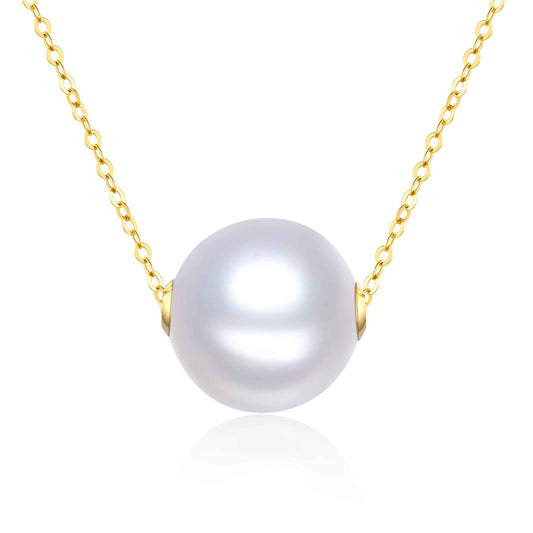
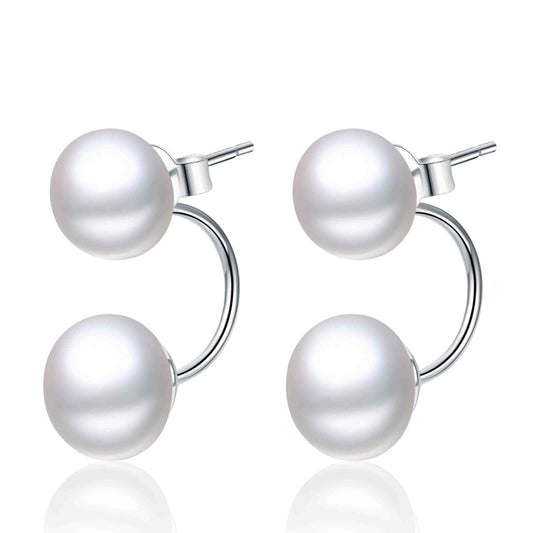
Mother-of-pearl is flat, curved, or carved. It is cut from the shell and used as panels, discs, or inlay. Pearls are dimensional. They grow as rounded objects and come in shapes like round, near-round, oval, drop, and baroque.
This is one of the easiest visual cues to remember when distinguishing between the two.
Appearance: Soft Iridescence vs Concentrated Luster
Mother of pearl produces a broad, shifting shimmer that spreads across its flat surface. It feels smooth and luminous. Pearls hold a deeper, more concentrated glow because light reflects from a rounded nacre surface, creating that signature depth.
In the mother-of-pearl vs. pearl comparison, the visual mood differs: mother-of-pearl feels open and airy, while pearls feel more gem-like and dimensional.
Jewelry Use: Decorative Detail vs Centerpiece Gem
 '
'
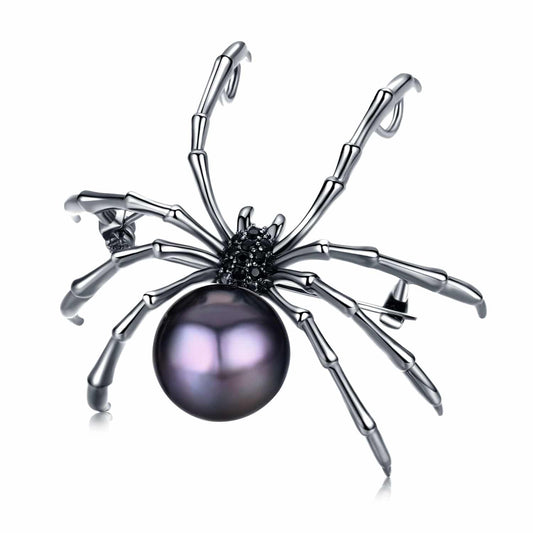
Mother-of-pearl jewelry often appears as pendants, carved charms, watch faces, buttons, and inlay work. It supports the design rather than leading it. Pearls take the opposite role. In earrings, necklaces, bracelets, rings, and strands, the pearl is typically the centerpiece.
One adds texture and surface beauty; the other carries the full visual weight of the piece.
Value: Craftsmanship vs Pearl Quality Factors
The difference in value between pearl and mother-of-pearl comes down to how each material is judged. Mother-of-pearl is valued for its thickness, color, surface quality, carving detail, and the craftsmanship of the setting.
Pearls are valued for luster, size, shape, surface quality, nacre depth, color, and how well they match in a strand. Neither is always more valuable than the other. They operate on entirely different value systems.
Durability: Surface Panel vs Nacre Gem
In the mother-of-pearl vs pearl comparison, both materials are organic and need gentle handling. Mother-of-pearl can scratch, chip, or dull if treated roughly, especially in thinner inlay settings.
Pearls are vulnerable to perfume, acids, chemicals, and abrasion. The risks vary by setting, but the principle is the same: both require careful wear and proper storage.
Meaning: Shell Symbolism vs Pearl Symbolism
Mother-of-pearl is often associated with protection, calm, intuition, and the quiet beauty of the ocean. Black mother-of-pearl meaning tends to lean toward depth, mystery, elegance, and quiet strength.
Pearls carry their own separate weight: purity, wisdom, femininity, milestones, and timeless grace. These associations are symbolic and personal, but they add a layer of meaning to the jewelry you choose.
Style Effect: Subtle Glow vs Classic Elegance
Mother-of-pearl jewelry creates a soft, polished surface that works well for everyday wear. It adds glow without visual weight. Pearl jewelry feels more classic, dimensional, and heirloom-ready.
When choosing between the two, think about the occasion: mother-of-pearl suits delicate everyday luminosity, while pearls suit statement pieces, bridal moments, gifting, and timeless personal style.
How to Tell Mother of Pearl From Pearl in Jewelry

When shopping or examining a piece, these four checks make the pearl vs mother-of-pearl difference easy to spot:
- Shape: Flat or carved elements suggest mother-of-pearl. Bead-like or rounded forms point to a pearl.
- Setting: Inlays, discs, floral panels, and surface details are usually made of mother-of-pearl.
- Glow: Mother-of-pearl spreads a shimmer across a surface. A pearl holds a concentrated glow in a single gem.
- Jewelry Type: Strands, studs, and solitaire pendants usually feature pearls. Decorative surfaces and inlays usually feature mother-of-pearl.
Both are genuine, beautiful materials. The goal is simply knowing what you are buying so your choice is an informed one.


FAQs
Is mother-of-pearl the same as pearl?
No. Mother-of-pearl is the iridescent lining of a mollusk shell, while a pearl is a separate gem that forms inside the mollusk.
What is the main difference between pearl and mother-of-pearl?
Mother-of-pearl is flat or carved and used as an inlay or surface material. Pearls are dimensional gems used as focal pieces in jewelry.
Is mother-of-pearl real?
Yes. Mother of pearl is a genuine natural material sourced from the inner shell of certain mollusks, including oysters and abalones.
Is mother-of-pearl jewelry less valuable than pearl jewelry?
Not necessarily. Value depends on material quality, carving, design, craftsmanship, and setting. Neither is always worth more than the other.
What does black mother of pearl mean?
Black mother-of-pearl is often associated with depth, mystery, elegance, and ocean-inspired beauty. The meaning is symbolic and personal.
Choose the Luminous Detail That Suits Your Style
The distinction is clear once you know where to look. Mother-of-pearl is a luminous shell lining, flat, iridescent, and often used as a surface detail. A pearl is a standalone nacre gem, dimensional, glowing, and built to be the centerpiece of a piece.
The right choice between mother-of-pearl and pearl depends on what you want the jewelry to do. If you want soft, everyday luminosity with a polished finish, mother-of-pearl delivers. If you want the weight, dimension, and presence of a classic gem, pearls are the answer.
At Timeless Pearl, we work with both, so whatever glow you are drawn to, there is a piece made for it.
Explore Timeless Pearl Jewelry Collection to find the glow that feels most meaningful to you.