What Is Mother of Pearl? Meaning, Origin, and How It Differs from Pearls
Many jewelry shoppers wonder what mother of pearl is and assume it is just another word for pearl. Both materials come from mollusks and glow because of nacre. Yet they are not the same.
In this blog, we’ll explain the meaning, origin, and formation. We also compare mother of pearl and pearls side by side. By the end, it’ll become easier to choose the right material for your jewelry style.
What Is Mother of Pearl, Exactly?
So, what is mother of pearl in simple terms? It is the smooth, iridescent inner lining of certain mollusk shells. This layer is made of nacre, the same substance that forms pearls.
The key difference is that mother of pearl stays as part of the shell, not as a separate gem. It has a flat or gently curved surface. It reflects light softly and often shows pastel or rainbow tones.
The look feels wide and luminous rather than rounded. If a piece uses mother of pearl, the glow comes from the shell’s nacre surface, not from a full pearl bead.
Where the Name Comes From
The meaning of mother of pearl is quite poetic. The name comes from the idea that pearls form inside nacre-lined shells. So the shell lining is seen as the “mother” of the pearl. The term itself refers only to the inner shell layer, not to a type of pearl. Biologically, it comes from pearl oysters, freshwater mussels, abalone, and similar mollusks.
Historically, it has been used for centuries. You will find it in jewelry, buttons, carvings, and decorative inlay. The appeal has always been its soft glow and natural elegance. Even today, it remains a timeless material across both classic and modern designs.
Is Mother of Pearl the Same Thing as Nacre?
When we talk about mother of pearl nacre, the connection is very close. In simple terms, nacre is the material. Mother of pearl is how that nacre appears as the shell’s inner lining. A pearl, on the other hand, forms when nacre builds into a separate gem.
Many people use the terms interchangeably. For everyday use, that is mostly fine. Still, the distinction matters when buying jewelry. A pearl is a complete formation. Mother of pearl is part of the shell itself.
How Mother of Pearl Forms Vs. How Pearls Form

Both materials begin the same way. A mollusk produces nacre as a natural process. From there, their paths separate. Mother of pearl forms the inner lining of the shell. It acts as a smooth, protective layer. It grows evenly across the shell surface.
A pearl forms differently and begins when an irritant enters the mollusk. The organism then coats it with layers of nacre over time. This builds into a rounded or organic gem.
Mother of pearl becomes a surface that can be cut, carved, and shaped. Pearls become complete gems, often round, near-round, or baroque. It affects how each material looks, feels, and is used in jewelry design.
Mother of Pearl Vs. Pearl: The Differences That Actually Matter
Now we look at mother of pearl vs. pearl in practice. This is what truly matters when choosing jewelry:
- Structure: Mother of pearl is a flat shell lining. Pearls are standalone gems.
- Look: Mother of pearl offers a wide, soft iridescent effect. Pearls offer a deeper, more focused glow.
- Use in Jewelry: Mother of pearl works well in inlay, pendants, carved shapes, and watch dials. Pearls are usually the centerpiece in earrings, necklaces, rings, and strands.
- Price and Availability: Mother of pearl is more abundant and often more affordable. Pearls take longer to form and are valued more individually.
- Durability: Both are delicate, but mother of pearl can handle surface wear a bit better.
We recommend choosing pearls for classic presence and choosing mother of pearl for luminous, design-led surfaces.
How To Tell Mother of Pearl From Pearls In Jewelry
Telling them apart becomes simple once you know what to look for:
- Shape: Pearls look like beads. They feel rounded or sculptural. Mother of pearl appears flatter and more spread out.
- Glow: Pearls reflect light from a concentrated point. Mother of pearl shows color across a wider surface.
- Design: A carved flower, shell panel, or flat disc usually means mother of pearl. A strand of round or baroque gems points to pearls.
One important note remains. Both materials are real and natural. The question is not which is fake. The real question is which material the design is using.
Why Mother of Pearl Is Used In Jewelry At All
The mother of pearl significance goes beyond appearance. It offers qualities that pearls cannot provide in the same way. It can be cut into shapes and smooth surfaces. This allows more creative designs.
It also works as a luminous base for metals and gemstones. The result feels soft yet polished. It gives jewelry an ocean-inspired glow without needing a full pearl strand. Many designs feel more modern and graphic because of this flexibility.
There is also a symbolic layer. Mother of pearl has long been linked to calm, beauty, and refinement. Its connection to the sea adds a sense of quiet luxury. Designers often combine it with pearls.


Where Mother of Pearl Overlaps With Pearls
The overlap between mother of pearl and pearl is where things get interesting. Many designs use both together. This is also why confusion happens so often.
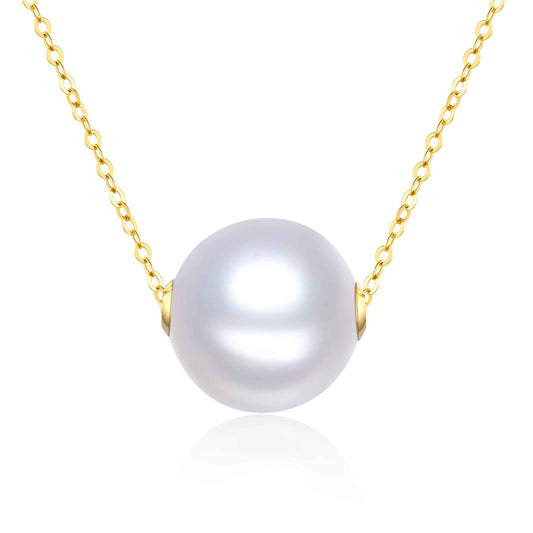
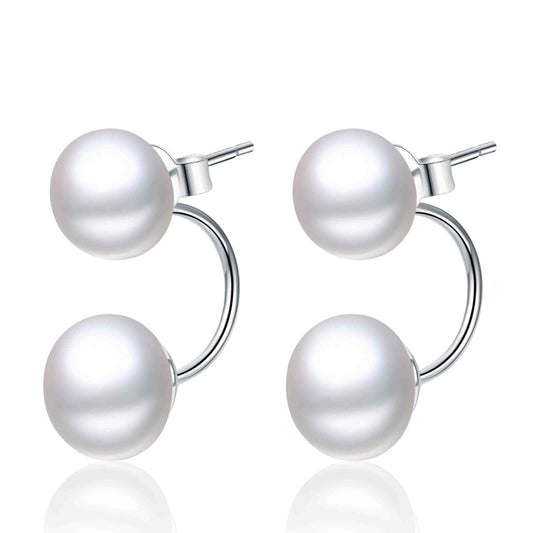
For example, a bracelet may pair a mother of pearl charm with a freshwater pearl. This creates contrast between surface glow and rounded depth. A necklace might use a shell motif to frame a pearl. The design highlights both materials at once.
In Mabe pearls, the back is often finished with a piece of mother of pearl. This supports the structure while keeping the nacre look consistent. These materials are not competitors. When used together, they create balance, texture, and visual interest in a single piece.
Understand Mother of Pearl Better, and Shop More Clearly

When choosing, think about the effect you want to achieve. Pearls bring classic depth and presence. Mother of pearl offers luminous surfaces and design flexibility. Some pieces combine both for added contrast. You begin to notice how each material shapes the design.
Once you see it clearly, you can explore Timeless Pearl’s Jewelry Collection with a sharper eye and a deeper appreciation for every detail.
FAQs
Is mother of pearl a real pearl?
Mother of pearl is real, but it is not a pearl. It is the nacre lining inside a shell. A pearl is a separate gem formed from layers of nacre within the mollusk.
Is mother of pearl the same as nacre?
Mother of pearl and nacre are closely linked. Nacre is the material itself. Mother of pearl is the nacre that appears inside the shell lining. Pearls are also made of nacre, but they form as complete gems rather than as part of the shell structure.
Is mother of pearl more affordable than pearls?
When comparing mother of pearl and pearl values, mother of pearl is usually more affordable. It is more abundant and easier to source. Pearls are rarer as individual gems. Their price depends on luster, size, shape, and surface quality, which increase their overall value in jewelry.
What does mother of pearl symbolize?
The significance of mother of pearl is often associated with calm and refinement. It is associated with beauty and ocean-inspired elegance. Across cultures, it represents softness and balance. These meanings come from tradition and design history rather than any fixed or scientific interpretation.