How to Choose a Tahitian Pearl Necklace: A Buying Guide for the Pearl That Breaks the Rules
A Tahitian pearl necklace rarely offers the uniformity people expect from pearls. Its beauty may move through charcoal, silver, green, blue, and aubergine as the light changes. Shapes can be round, circled, or distinctly baroque. That individuality makes choosing well more nuanced than simply looking for a black pearl.
Learning how to choose a Tahitian pearl necklace means deciding which variations feel intentional to you. In this blog, we will help you assess authenticity, necklace style, color, quality, price, and wearability with confidence.
Start by Confirming It Is Truly Tahitian
Tahitian pearls are cultured saltwater pearls produced by the black-lip oyster and associated with French Polynesia. Cultured does not mean imitation; it describes a real pearl grown with human assistance.
The distinction matters because a dark pearl is not necessarily Tahitian. Freshwater pearls may be dyed, while imitations can resemble the same palette. Look for a clear description of pearl type, origin, dimensions, shape, and any color treatment.
Wording such as “Tahitian color,” “Tahitian-style,” or simply “black pearl” deserves a closer look. Detailed photographs should support the description, but they should not replace it. When information is unclear, ask directly before buying.
Find the Tahitian Pearl Necklace Style That Suits You
The right composition determines how much color, variation, and visual presence the necklace brings. It also changes how quality and price should be judged.
Single Tahitian Pearl Pendant
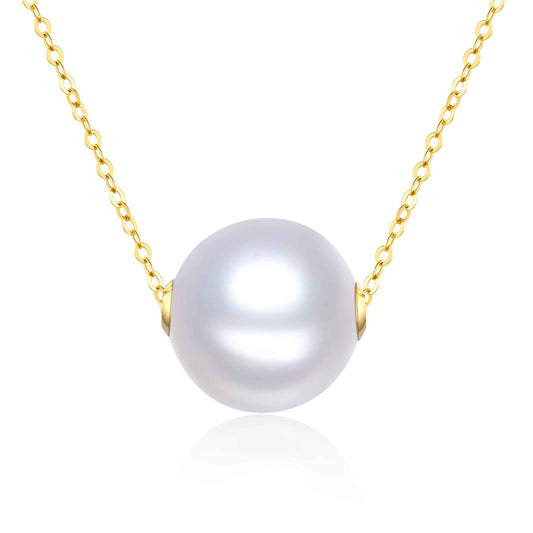
A pendant allows one pearl to set the mood. You can focus on an especially vivid overtone, elegant drop, sculptural baroque shape, or beautifully circled surface without needing several pearls to match.
This format slips easily into an everyday wardrobe, offering Tahitian depth with a more restrained presence than a full strand.
Matched Round or Graduated Strand
A matched strand combines a familiar silhouette with Tahitian pearls’ darker, more dramatic character. Look for harmony in luster, body color, overtone, and shape across the entire necklace.
Perfect sameness is not the goal; the pearls should feel deliberately related. In a graduated strand, size should progress smoothly toward the center.
Multicolor, Circled, or Baroque Strand
This is where Tahitian pearls most confidently break convention. Rings, asymmetry, varied silhouettes, and shifting colors can create a necklace that feels artistic.
Judge the composition as a whole. Colors should create a considered rhythm, while shapes should look intentionally arranged. Strong luster and thoughtful matching can make an unconventional strand especially compelling.
Choose the Tahitian Pearl Color Story You Love

Most Tahitian pearls are not flat, solid black. Their darker body colors can carry silver, green, blue, aubergine, or bronze overtones, which become more or less visible as the pearl moves.
Peacock green pearls are admired for this complexity. Rather than presenting one standardized green, they may reveal rose, violet, blue, or bronze around a green-dominant field.
Peacock is not automatically the best choice, however. A luminous silver or blue-green pearl may feel far more natural against your coloring and wardrobe.
For a strand, consider how the colors travel from pearl to pearl. Request photographs taken in neutral lighting when color is decisive, since studio lighting and screens can exaggerate or mute an overtone.
Evaluate Tahitian Pearl Quality Beyond Perfection
Tahitian pearls reward a balanced eye. Roundness and a flawless-looking surface can influence value, but neither should distract from luster, color depth, and the necklace’s overall character.
Let Luster and Color Depth Lead
Luster is the brightness and definition of reflection on a pearl’s surface. Strong luster gives Tahitian colors their sense of depth, allowing green, silver, or aubergine overtones to appear alive rather than painted on.
Look for clear, lively reflections in close photographs. A pearl that appears persistently flat, hazy, or chalky may lack the radiance that makes a dark pearl captivating. When comparing options, use images taken under similar lighting whenever possible.
See Surface and Shape as Part of the Character
Small surface marks are natural and may be easy to overlook once a necklace is worn. Deep pits, cracks, or damage near drill holes deserve more caution.
Pearl shape is partly a style decision. Round and near-round pearls create polish and usually command higher prices. Circled pearls display ring-like formations that can intensify their organic character, while baroque pearls introduce sculptural individuality.
In a strand, ask whether these features create a coherent design. A beautiful Tahitian necklace should look composed, even when its pearls are deliberately irregular.
What Determines the Price of a Tahitian Pearl Necklace?
The price of a Tahitian pearl necklace reflects more than the quality of one pearl. Pearl count, size, luster, surface, shape, color, and the difficulty of assembling a harmonious group can all affect the final cost.
A matched round strand generally requires a different level of selection than a single pendant or a deliberately varied baroque strand. That does not make one necklace inherently better. Each derives its value from different qualities: uniformity, an exceptional focal pearl, or expressive composition.
Compare similar formats rather than relying on dramatic color names or seller grades. Check dimensions, strand length, shape, metal, clasp, and disclosures alongside the price. The right choice is the one whose visible qualities justify its cost to you.
How to Style a Tahitian Pearl Necklace Around Its Color

Learning how to style a Tahitian pearl necklace begins with its particular color and silhouette. Silver and charcoal pearls can bring quiet contrast to monochrome clothing, cool metals, and clean tailoring. Peacock and green overtones create a richer focal point against restrained colors or can echo blue, green, and jewel-toned fabrics.
The pearl shape matters, too. A round strand feels polished, while circled and baroque pearls suit a more relaxed or sculptural wardrobe. A single pendant offers an understated introduction to darker pearls.
Try the necklace beside colors and metals you already wear. View it in daylight and indoor light, and let a substantial strand or vivid pearl lead.


FAQs
Can a Tahitian pearl necklace be worn every day?
Yes. Choose a comfortable design, avoid chemicals and abrasion, and wipe the pearls gently after each wear.
Do naturally dark Tahitian pearls fade?
Their color does not come from a surface dye, but chemicals, abrasion, and improper care can still damage the nacre.
Are peacock-colored pearls always Tahitian?
No. “Peacock” can describe color alone, so confirm the pearl type, origin, and any disclosed treatment.
Can men wear Tahitian pearl necklaces?
Yes. Their dark colors, substantial presence, and varied shapes work beautifully across many personal styles and wardrobes.
When should a Tahitian pearl strand be restrung?
Consider restringing when the thread stretches, frays, discolors, or leaves visible gaps between loosened knots.
Choose the Tahitian Pearl That Feels Distinctly Yours
Choosing well does not mean asking a Tahitian pearl to resemble a conventional white strand. It means recognizing the qualities that make it distinctive: natural dark color, luminous overtones, expressive shape, and a necklace composition that looks considered.
A silver strand, peacock pendant, or multicolor baroque necklace can each be right. Choose the balance of individuality, visible quality, price, and character you will enjoy wearing.
Explore Timeless Pearl’s Tahitian pearl designs and discover the color, shape, and character that feel distinctly yours.