Pearl Colors Explained: Natural Hues, Rare Shades, and What They Mean
When you first start exploring pearl color, it is easy to assume pearls come in just one soft white shade. But the pearl color is layered. Each pearl has a body color, often paired with subtle overtones that shift in light.
Two pearls labeled the same can still look completely different. Among different color pearls, light reflection, surface depth, and overtone create that quiet magic people notice instantly but struggle to describe.
In this blog, we’ll discuss the different shades, hues, and colors that pearls come in and the effects they have on the wearer and the perceiver.
Different Pearl Color Nature Gives Us
Pearl types do not all produce the same range of natural shades, so we’ll focus on the colors we can realistically find and wear today.
White Pearls
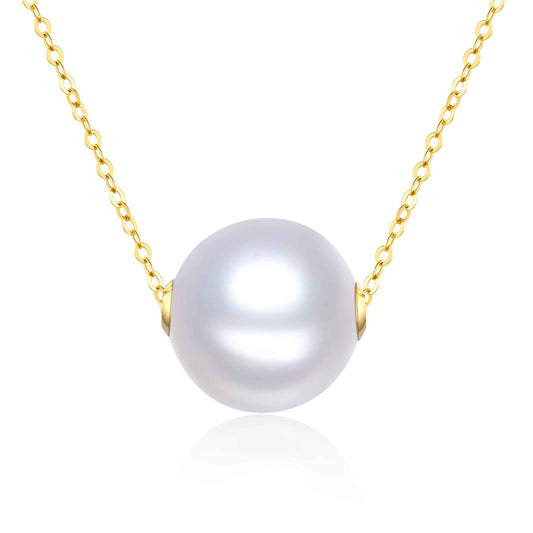
White pearls remain the reference point for understanding pearl color because they feel balanced and endlessly wearable. Their clean tone works across outfits, occasions, and ages without effort.
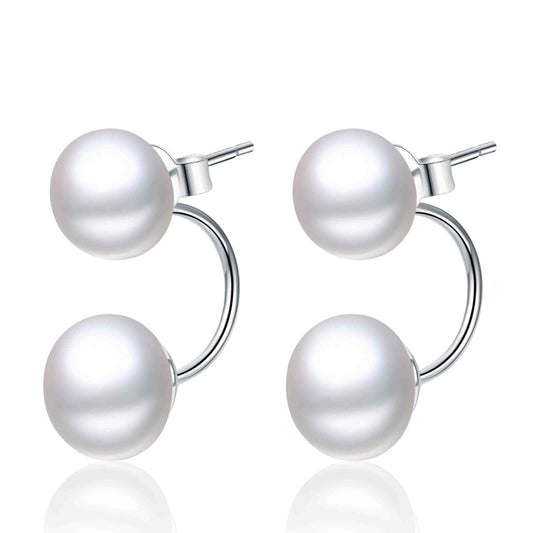
Many of us begin here because white carries a familiar pearl-color meaning tied to simplicity and refinement. It never feels outdated, even in modern styling. Whether worn as strands or as small studs, white pearls often serve as a quiet foundation before exploring other natural pearl colors.
Pink, Peach, and Purple Pearls

These tones sit gently between classic and expressive, offering a softer entry into different color pearls.
- Pink pearl leans romantic.
- Peach pearl feels warm and fresh.
- Purple pearl adds a hint of quiet richness.
Together, they show how pearl color meaning can shift mood without becoming loud. They suit everyday wear while still feeling personal, making them ideal for those who want natural pearl colors that feel unique yet easy to style.
Silver and Gray Pearls
Silver pearl tones and gray variations bring a calm, modern edge to pearl color. They reflect light more evenly, often appearing more polished than bright white without feeling dramatic.
Among different colored pearls, these shades sit comfortably between subtle and statement. A silver pearl pairs effortlessly with contemporary wardrobes, offering a refined look that feels intentional without drawing too much attention.
Black, Peacock, and Green Pearls
Some pearl colors do not reveal everything at first glance, and that is exactly what makes these darker tones so captivating.
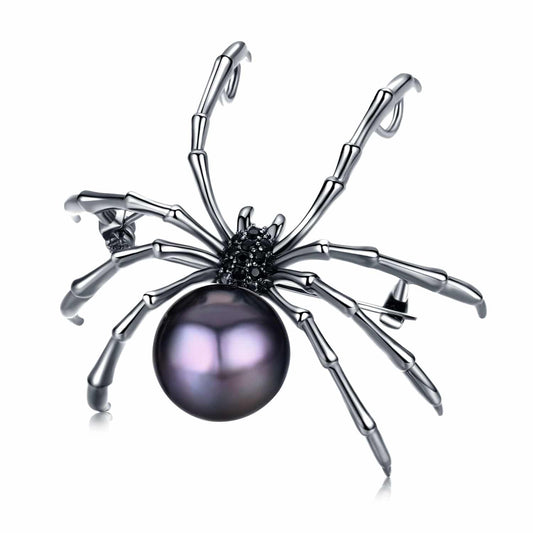
- Black pearls introduce depth, but the real intrigue lies in their overtones.
- Peacock hues blend green, blue, and purple.
- Green pearls emerge through layered reflections rather than a single flat shade.
This is where pearl color becomes more layered and intriguing. These rare shades shift beautifully in the light, giving each pearl a sense of movement and life. They make a statement without feeling overpowering, bringing drama with a soft, flowing elegance.
Blue Pearls
Blue pearls stand apart because they feel cooler and less expected than most natural pearl colors. Their tone often appears soft, giving them a calm yet noticeable presence.
Many people searching for rare pearl colors are drawn to blue because it feels both unusual and refined. While not always the rarest pearl color, it carries a distinct identity that makes it feel collectible and quietly special.


Bronze, Chocolate, and Gold Pearls
Warm tones lend richness to the pearl color in a way that feels grounded and luxurious. Bronze and chocolate shades often answer what people mean when they search for brown pearls, while gold sits at the more opulent end.
These rare pearl colors reflect warmth rather than brightness, making them feel deeper and more textured. In some cases, gold pearls are also part of the expensive pearl color conversation because of their strong desirability.
Red and Multicolor Pearls
Some pearl lovers want more than subtlety, and this is where red and multicolored pearls step in. Red pearl offers bold expression in a way few pearl tones do, while multicolor strands blend different colored pearls into one fluid story. The pearl color meaning here is about individuality and movement.
Together, these pearl colors show just how much variety, character, and meaning can exist within a single gemstone.
Which Pearl Color is the Rarest and Which is the Most Expensive?

It is tempting to look for a single answer, but pearl color does not work that way. The rarest pearl color depends heavily on the type of pearl, along with its size, luster, and surface quality. Blue pearls are often considered among rare pearl colors because of how naturally uncommon they appear, yet certain green or peacock overtones can be just as scarce.
When it comes to the most expensive pearl color, gold frequently stands out, especially in high-quality South Sea pearls. However, the price of a pearl is never based solely on color. A perfectly formed pearl with exceptional luster will always hold more value than a rare shade with flaws, making context essential when comparing rarity and cost.
FAQ
Are green pearls natural?
Yes, green pearls are natural and usually appear as overtones. They are commonly seen in darker pearls, such as Tahitian varieties.
Is a silver pearl the same as a gray pearl?
Not exactly, though they are closely related in appearance. Silver pearls tend to have a brighter, more reflective tone, while gray pearls appear slightly deeper and more muted.
What counts as brown pearls in pearl jewelry?
Brown pearls are often referred to as bronze or chocolate shades in the pearls. These tones fall within the warm color spectrum rather than being labeled simply as brown.
Is the rarest pearl color always the most expensive?
No, rarity does not automatically mean a higher price. Factors like luster, size, and surface quality play a major role in determining value.
Which pearl color is easiest to wear every day?
White pearls are generally the easiest to style daily because they match almost everything. Soft tones like pink or silver are also very versatile for regular wear.
Choose the Pearl Color That Feels Most Like You
After exploring the full spectrum of pearl color, the decision becomes less about rules and more about feeling. Natural pearl colors offer a wide range of expression, from quiet whites to layered dark tones and warm golds.
The best choice is not always the rarest or the most expensive. It is the one that aligns with how you want to present yourself, whether that means understated elegance or something more distinctive. When you understand how different-colored pearls behave in light and styling, choosing becomes intuitive.
To explore these shades more closely and find the one that fits your story, find every shade of color at Timeless Pearls.