How to Spot High-Quality Pearls Online
When buying pearls in person, you can hold the strand up to the light, tilt it slowly, and watch how it responds. Online, that option is gone. What remains are product photos, written descriptions, and a seller's word. That gap is exactly where pearl purchases go wrong, and it happens more than most buyers expect.
Two strands at similar price points can differ significantly in luster depth, surface cleanliness, and nacre thickness. The difference is not always obvious at a glance, but it becomes clear the moment a piece arrives and falls short of what the listing implied.
In this blog, we will walk through every pearl quality signal you can realistically evaluate before buying, from reading luster in a photo to asking the right questions about treatment and origin.
What Makes a Pearl High Quality in the First Place
Seven core factors determine pearl quality:
- Luster
- Surface
- Shape
- Size
- Color
- Nacre
- Matching
Together, they define how a pearl looks, how long it lasts, and what it is genuinely worth.
For freshwater pearls, these factors vary widely depending on how the pearl was cultured, how long it spent in the mollusk, and how carefully it was sorted after harvest. A freshwater pearl with thick nacre and strong luster will outperform a thinner, lower-grade pearl in both appearance and durability.
Luster is the single most telling sign of quality. It describes the sharpness and intensity of light reflected off the pearl's surface. High luster produces a mirror-like reflection with visible depth. Weak luster looks chalky or flat. Every other factor matters, but luster is what gives a pearl its life, and it cannot be faked in honest photography.
How to Read Pearl Luster in Online Photos
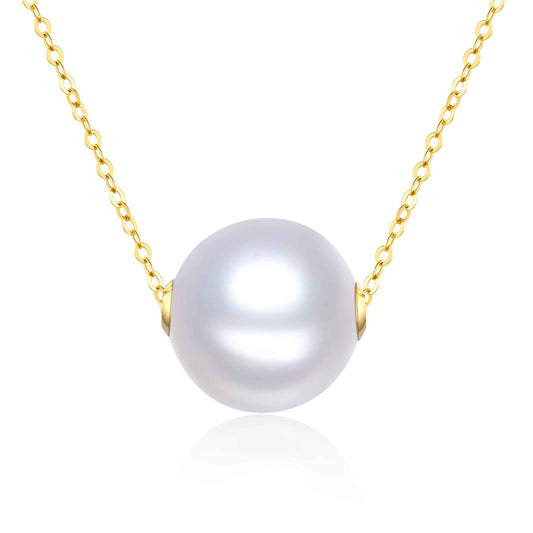
In a strong product photo, high-luster pearls show a crisp, defined reflection of the nearby light source. You can often see the shape of a window or lamp reflected in the surface. That sharpness signals depth in the nacre layers.
Dull pearls scatter light. The glow looks soft and uniform but lacks definition. That is not warmth; it is usually a sign of weaker luster or thinner nacre.
Lighting in product photography can be manipulated. Overexposed, all-white setups flatten the surface and hide poor luster by washing out contrast. Soft, directional lighting on a neutral background is more honest because it lets the pearl's natural reflective quality show, or not show, clearly.
In close-up shots, look for overtone, the secondary color that appears to float just above the body color. Pink, rose, and silver-green overtones tend to show best when luster is strong. If a listing lacks close-up photography or shows only wide shots, request additional images or a short video before you commit.
Which Pearl Surface Marks are Acceptable Online

Freshwater pearls are organic. Faint spots, small ridges, or minor wrinkling are natural and expected at most quality levels. The question is not whether imperfections exist, but how visible they are and how much surface they affect.
A small spot on one side or a faint ripple near the drill hole falls within an acceptable range for most buyers and does not change how a pearl wears. Deep pits, visible cracks, uneven bumps across the surface, or widespread cloudiness point to lower-grade material.
Grading language such as "AAA" or "gem quality" often signals a cleaner surface, stronger luster, and better matching, but thresholds vary by seller. These terms are applied inconsistently across sellers, so treat them as a starting point and rely on the actual imagery to confirm what is being described. Honest listings show the pearl's real surface, including any minor imperfections, in clear, close-up photography.
How Shape, Size, and Matching Reveal Quality
Together, shape, size, and matching reveal how thoughtfully a strand has been selected and how polished it will look when worn.
Shape
Pearl shapes range from round and near-round to baroque, button, and drop. Round and near-round pearls take longer to cultivate and require more selective sorting, which is reflected in their pricing. Baroque shapes are irregular and expressive, valued for character rather than uniformity.
Matching
On a strand, consistent shape and sizing across every pearl reflect deliberate curation. When pearls in a necklace match closely in diameter, roundness, and color tone, it signals that the seller invested care in selection. Obvious mismatches suggest the strand was assembled from whatever was available.
Size
Pearl size listings online typically appear in millimeter ranges. A 7 to 8mm freshwater pearl sits comfortably as a classic everyday piece. Anything above 9mm reads as more substantial and statement-forward. Millimeter measurements translate very differently in person than they appear in photos, so knowing the size before purchasing matters.
Taken together, these details help distinguish a thoughtfully curated strand from one that only appears polished at first glance.


How Online Pearl Grading Systems Really Work
There is no universal retail letter grade for pearls. Unlike diamonds, which follow a globally recognized system, pearls are graded by individual sellers and farms using their own scales. The most common retail formats are A to AAA or A through D, but what each grade means varies by source.
The 7 pearl value factors are useful because they focus on qualities you can compare: size, shape, color, luster, surface, nacre, and matching. One seller's AAA may reflect a different surface threshold than another's. Grading is still useful as a general orientation, but it cannot be the final deciding factor.
Look closely at the actual photos, read the description for specifics, and check whether the stated grade aligns with what the imagery actually shows. Trust grading language that comes with clear explanations of what each tier means for surface quality, luster, and shape. Be cautious of listings that use top-grade labels without any supporting detail or imagery to back the claim.
How to Judge the Seller Behind the Pearls

A reputable online pearl retailer earns trust through transparency.
- Their listings include detailed descriptions of pearl type, size, luster grade, and surface characteristics.
- Their photography is honest and includes close-up views.
- Their return and refund policies are clearly stated and fair.
Customer reviews reveal patterns that individual listings cannot. Consistent praise for accurate descriptions and quality that holds up over time reflects a seller who delivers reliably. Repeated complaints about misleading imagery or poor quality on arrival are equally telling.
Return and exchange policies function as a proxy for seller confidence. A seller who stands behind their product offers meaningful return windows and clear processes. Vague or restrictive policies often signal uncertainty about what is being sold.
Red flags include listings with no nacre information, no disclosure of pearl origin, stock photography instead of actual product images, and descriptions built on marketing language rather than specific quality details.
FAQs
What should I ask before buying freshwater pearls online?
Ask about pearl type, millimeter size, luster, surface quality, treatment, origin, and the return policy.
How can I tell if high-quality pearls have good luster?
Look for sharp, mirror-like reflections in close-up photos rather than a flat or chalky glow.
Does pearl quality depend on nacre thickness?
Yes, strong nacre supports deeper luster and better durability, especially for pearls worn often over time.
Are AAA pearls always the best choice online?
Not always, because retail grades vary. Compare photos, descriptions, and return policies before buying.
Should treatments be disclosed when buying pearls?
Yes, sellers should disclose dyeing, coating, or bleaching so we understand how the pearl may age.
Choose Freshwater Pearls With Beauty and Clarity
Buying high-quality pearls online is entirely possible when you know what to look for. Luster, surface quality, nacre, matching, and seller transparency tell you far more than a polished product title ever can.
Freshwater pearls can be especially rewarding because they offer softness, variety, and wearable beauty across many styles. Our freshwater pearl collection gives you a thoughtful place to begin, especially when luster, surface beauty, and wearable design matter most.
Explore Timeless Pearl Jewelry Collection for freshwater pearls chosen with beauty and intention.