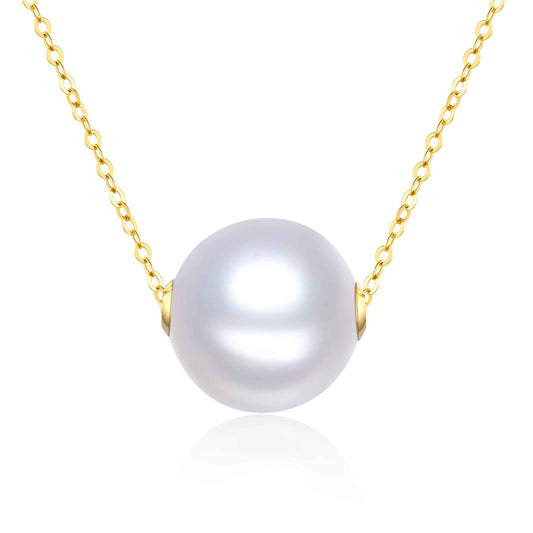
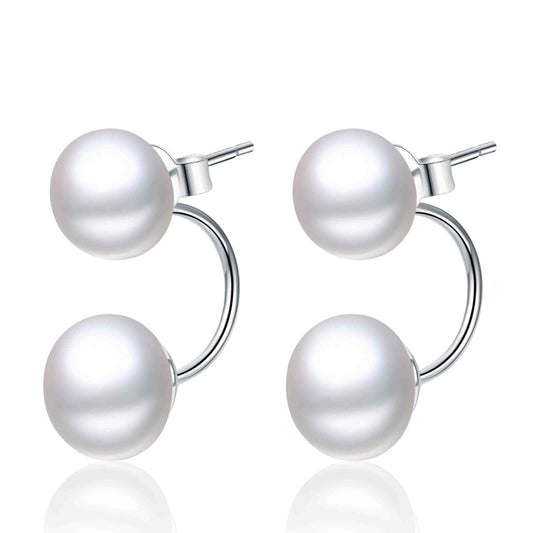
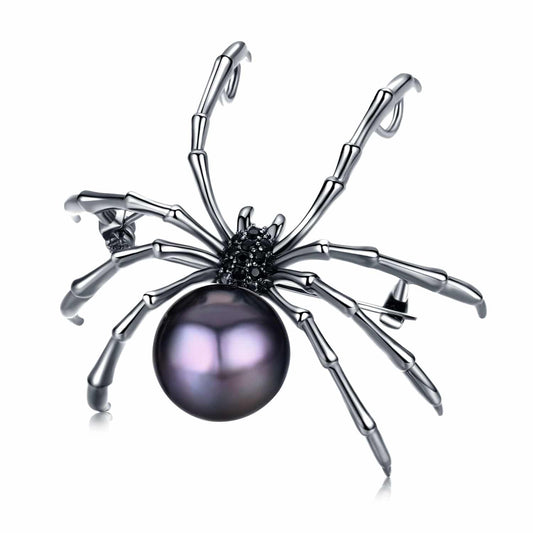
Do Pearls Deteriorate Over Time?
Pearls have a quiet beauty that feels almost untouched by time, which is why it can be unsettling to notice a beloved strand looking duller, slightly yellowed, or less luminous than it once was.
So, do pearls deteriorate over time? They can, especially when exposed to dryness, chemicals, sweat, or improper storage. Yet with thoughtful care, pearls can remain beautiful for decades and even become heirlooms passed from one generation to the next.
In this blog, we will explain why pearls age, how to recognize signs of real damage, how to clean them safely at home, and when professional care is the wiser choice.
Why Pearls Can Deteriorate Over Time
Pearls are organic gems formed from nacre, the luminous, layered material that gives them their soft, unmistakable glow. That same natural composition is also what makes them more delicate than most gemstones.
Pearls rank around 2.5 on the Mohs hardness scale, which means they can be scratched, dulled, or abraded when exposed to the wrong conditions, such as:
- Dry air
- Heat
- Acids
- Perfume
- Hairspray
- Cosmetics
- Sweat
- Rough handling
- Improper storage
These can all affect the surface over time. This is why the question “do pearls deteriorate” is not about being overly cautious. It is about understanding how to care for pearls with the gentleness they deserve, so their beauty lasts as long as possible.
How Long Do Pearls Last?
With thoughtful care, pearls can last a lifetime, and some treasured strands endure far beyond one generation. Their longevity depends on several quiet but important factors:
- Pearl quality
- Nacre thickness
- How often are they worn
- The climate they are kept in
- Care habits that surround them
Because pearls are organic gems, aging and dehydration can make them more fragile over time. Consistent care, however, helps preserve their luster, strength, and beauty.
Practicality matters, too. A pearl ring or bracelet worn every day will meet more friction, moisture, and exposure than a pearl necklace reserved for special occasions.
Understanding how you wear your pearls is the first step in knowing how much care they need and how long pearls last in your own jewelry collection.
Signs Your Pearls Are Aging or Damaged
Before cleaning pearls, take a closer look at what has changed. Aging pearls may appear dull, yellowed, uneven in color, or less luminous than before. More serious signs include:
- Chalky texture
- Peeling nacre
- Surface cracks
- Darkened drill holes
- Weakened string
- Stretched knots
- Discoloration that looks deep
Not every change means damage. Pearls can naturally mellow with age, and mistaking that softness for deterioration can lead to overcleaning, which may do more harm than the original concern.
Surface Buildup
Oils, makeup, perfume, and fine dust can settle gently over the surface, leaving pearls with a dull or yellowed film. This is the most reassuring type of discoloration because it is often the easiest to improve.
If the change appeared gradually with regular wear, surface buildup is usually the first possibility to consider, especially when cleaning pearls that have yellowed.
Natural Aging
Over time, pearls may develop a warmer tone, particularly vintage strands. This is not always a flaw. It may be part of the pearl’s history, giving the piece a softer, heirloom quality.
Understanding how long pearls last also means accepting that gentle tonal change can be natural, not necessarily a sign of neglect.
Permanent Nacre Damage
If pearls look chalky, cracked, peeling, or deeply discolored even after gentle care, the nacre may be compromised. When pearls deteriorate at this level, DIY cleaning is unlikely to restore them and may worsen the damage. A professional jeweler’s evaluation is the safest next step.
When in doubt, let the pearl’s surface tell you whether it needs a gentle refresh, quiet preservation, or the care of an expert jeweler.


How to Clean Pearls at Home Safely
The guiding rule is to start with the gentlest approach. A soft, lint-free cloth and lukewarm water are often enough to lift everyday residue. For occasional deeper care, warm water with a small amount of mild soap can be used, but pearls should never be placed in ultrasonic or steam cleaners.
If your pearls are strung on silk, avoid soaking them completely. Moisture can weaken the thread, so the strand should always be laid flat and allowed to dry fully before storage.
After Every Wear
After wearing pearls, wipe them softly with a clean cloth to remove sweat, skin oils, perfume, and cosmetic residue before they settle into the surface. This quiet habit is one of the most important parts of how to care for pearls, especially for pieces worn often.
Occasional Deeper Cleaning
When pearls need more than a dry wipe, use a barely damp cloth with a few drops of mild, fragrance-free soap. Clean each pearl individually, then rest the strand flat on a soft towel until completely dry.
Handled gently and dried with patience, pearls can keep their soft glow without risking the delicate nacre or string beneath.
How to Clean Pearls That Have Yellowed

Yellowing can come from surface buildup, dryness, natural aging, or deeper nacre damage, so the cause should guide the care.
- Begin with a soft, dry wipe.
- Use a barely damp cloth with mild soap if discoloration remains.
- Clean gently around the drill holes, where residue often gathers.
- Let the piece dry fully before storing.
Gentle cleaning may lift a surface film, but it cannot always reverse deep yellowing or aged nacre. Start lightly, observe carefully, then decide whether professional care is needed.
What Never to Use on Pearls
Pearls reward a gentle hand, so avoid:
- Vinegar or lemon juice
- Baking soda or toothpaste
- Bleach or alcohol
- Commercial jewelry dips
- Abrasive cloths
- Steam cleaners
- Ultrasonic cleaners
Acids and rough textures do not brighten pearls. They can strip or weaken the nacre that gives pearls their glow. Perfume, cosmetics, hairspray, and perspiration can also dull the surface with repeated exposure, which is why knowing what to avoid is key to caring for pearls well.
How to Store Pearls So They Last Longer
Store pearls flat in a soft pouch or fabric-lined jewelry box, away from diamonds, metal edges, and harder gemstones that may scratch them.
Avoid airtight plastic bags and very dry storage, as pearls need a little natural moisture to stay from becoming brittle or yellowed. Put pearls on last, after perfume and makeup, and take them off first. These small rituals help preserve their luster through years of wear.
FAQs
Do pearls deteriorate if you do not wear them?
They can, especially when stored in very dry, airtight, hot, or harsh conditions.
Can yellowed pearls become white again?
Surface yellowing may improve with gentle cleaning, but deep age-related yellowing may not fully reverse.
Can I wash pearls with soap and water?
Yes, occasionally, using mild soap and minimal moisture, but never soak strung pearls.
How often should pearls be cleaned?
Wipe after each wear and do gentle, deeper cleaning only when they look dull or dirty.
When should pearls be restrung?
When the silk looks stretched, dirty, frayed, or weak, particularly on frequently worn strands.
Keep Your Pearls Luminous for Years

Pearls can deteriorate, but they do not have to. Gentle cleaning, thoughtful storage, and consistent avoidance of chemicals and rough handling protect their glow through years of wear.
The steps are not complicated. They ask for patience and consistency more than effort. At Timeless Pearl, we select every piece for luster and surface quality, and we believe the care that follows should match that standard.
Explore Timeless Pearl Jewelry Collection and choose a piece you’ll care for, wear, and treasure.