Why Are Akoya Pearls So Lustrous? The Cold Water Secret Behind Japan's Signature Pearl
Few pearl varieties are admired for their radiance quite like Akoya pearls. Their reflections appear crisp, bright, and almost mirror-like, giving them a timeless elegance that has defined classic pearl jewelry for generations. It's no surprise that many people wonder, why are Akoya pearls so lustrous?
The answer begins with Japan's coastal waters, but cold water alone doesn't create exceptional pearls. The oyster, the nacre it produces, seasonal changes, and careful cultivation all play an important role. Understanding these factors can also help you appreciate what makes an Akoya pearl necklace so distinctive when compared with other pearl varieties.
First, Luster Is More Than Surface Shine
Before exploring what makes Akoya pearls unique, it's helpful to understand what luster actually means.
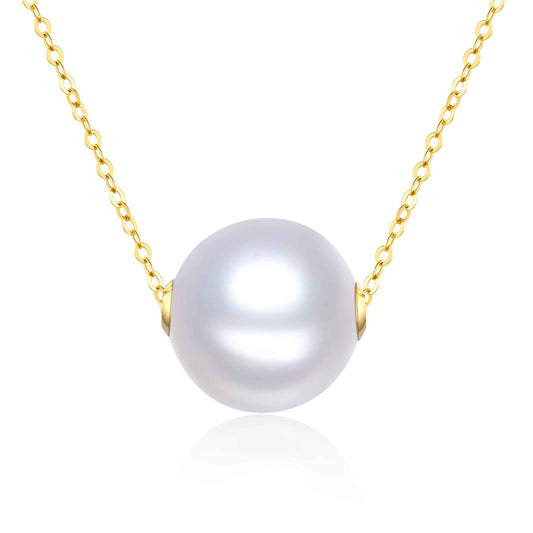
Akoya pearl luster isn't simply a glossy finish. It describes how light reflects from and through the pearl's layers of nacre, creating sharp reflections and a sense of depth. High-quality Akoya pearls often display reflections that appear crisp enough to distinguish shapes and outlines, rather than producing only a soft glow.
While luster and surface quality influence the overall appearance together, they are different characteristics. A pearl may have minor natural surface features while still displaying beautiful, vibrant luster.
How Cold Water Refines Akoya Nacre
Cold water has become closely associated with Akoya pearls because of how it influences the oyster during the final stages of cultivation. Cold water supports a natural process that contributes to the pearl's remarkable finish.
Cooling Slows the Oyster's Activity
As coastal waters cool, the oyster's biological activity slows. Nacre is deposited at a gentler pace than during warmer months, allowing the pearl to continue developing under different seasonal conditions without the oyster becoming completely dormant.
Slower Deposition Can Produce Finer Layers
This slower pace may help create finer, more closely arranged nacre layers near the pearl's surface. Those outer layers have a significant influence on the pearl's appearance at harvest. Healthy oysters, careful farming practices, and favorable growing conditions remain just as important throughout the process.
Fine Layers Reflect Light More Sharply
When light reaches these orderly nacre layers, it reflects with greater clarity and depth. The result is the crisp, mirror-like appearance that has become synonymous with fine Akoya pearls.
While not every Akoya pearl develops the same level of brilliance, this combination of biology and environment helps explain their celebrated luster.
Why Akoya Pearl Farming in Japan Depends on Timing

One reason Akoya pearl farming in Japan has earned such respect is the careful balance between nature and craftsmanship.
Akoya oysters experience changing seasons throughout their cultivation. Farmers carefully monitor oyster health and environmental conditions, allowing pearls to mature through these natural cycles before harvesting at the appropriate time.
Temperature is only one piece of the puzzle. Oyster health, water quality, cultivation techniques, and harvest timing all contribute to the finished pearl. The goal is to create the best conditions for beautiful nacre to develop naturally.
Why an Akoya Pearl Necklace Looks So Bright
The beauty of an Akoya pearl necklace comes not only from each individual pearl but also from how the pearls work together.
Well-matched strands create a continuous line of reflected light, giving the necklace a refined, luminous appearance. Similar luster, size, color, and overtone allow each pearl to complement the next without visual interruptions.
Akoya pearls are also admired for their naturally round shapes and classic white or cream body colors, often accented by delicate rose or silver overtones. Combined with their distinctive luster, these qualities give Akoya necklaces an effortlessly elegant presence.


Akoya vs Freshwater Pearls: Two Different Kinds of Glow
When comparing Akoya vs freshwater pearls, it's helpful to think about the character of their luster rather than deciding which is "better."
|
Akoya Pearls |
Freshwater Pearls |
|---|---|
|
Known for crisp, mirror-like reflections |
Often display a softer, satiny glow |
|
Usually bead-nucleated |
Commonly tissue-nucleated |
|
Traditionally associated with classic strands |
Available in a wider variety of shapes and colors |
|
Highly valued for uniform matching |
Valued for versatility and natural variety |
Exceptional freshwater pearls can also display impressive luster. The difference is often in the quality of reflection rather than brightness alone. Both pearl types offer lasting beauty, each with its own visual personality.
How to Recognize Strong Akoya Pearl Luster
When viewing Akoya pearls, avoid focusing only on brightness.
Instead, look for reflections that appear sharp and well defined, with noticeable depth beneath the surface. High-quality pearls often show strong contrast between highlights and shadows, giving them a lively appearance from different angles.
If you're evaluating a necklace, observe whether the pearls display consistent luster across the entire strand. Even if small natural surface characteristics are present, uniform reflections often indicate careful matching.
When shopping online, view pearls in clear, neutral lighting whenever possible. Proper care also helps preserve their beauty, so storing pearls carefully and cleaning them gently after each wear will keep their luster looking its best for years.
FAQs
Is cold water the only reason Akoya pearls are lustrous?
No. Oyster health, nacre structure, cultivation timing, and careful harvesting all contribute alongside seasonal cooling.
Does colder water always produce better Akoya pearls?
No. Appropriate seasonal cooling supports development, while excessive cold can stress oysters and affect pearl quality.
Can freshwater pearls be as lustrous as Akoya pearls?
Yes. Exceptional freshwater pearls can display beautiful luster, though their reflections often appear softer than Akoya pearls.
Does thicker nacre always mean stronger pearl luster?
No. Fine nacre structure, orderly layers, and surface condition influence luster as much as overall nacre thickness.
Why are Akoya pearls often chosen for necklaces?
Their bright reflections, round shapes, and consistent matching create elegant strands with remarkable visual harmony.
Choose the Luster You Love With Timeless Pearl

Akoya pearls remind us that extraordinary beauty is often the result of patience and balance. Their celebrated luster reflects not only seasonal coastal waters but also the remarkable relationship between nature and skilled pearl cultivation.
Whether you're drawn to the crisp brilliance of Akoya pearls or the unique character of other cultured pearls, understanding what creates luster helps you choose jewelry you'll appreciate for years to come.
Explore Timeless Pearl's Akoya pearl jewelry to discover beautifully crafted designs that celebrate the enduring elegance of cultured pearls and the distinctive beauty each one brings.