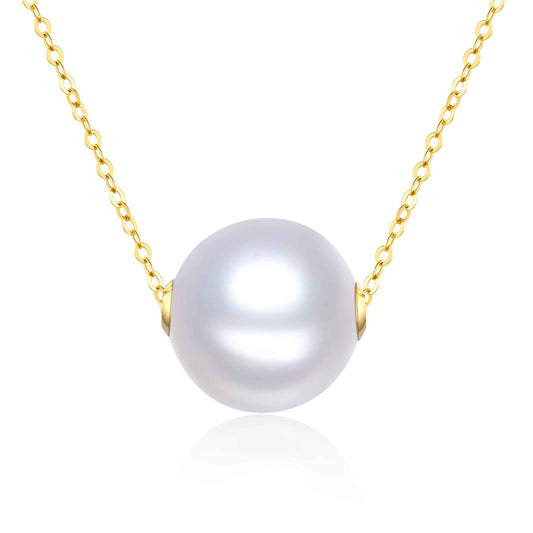
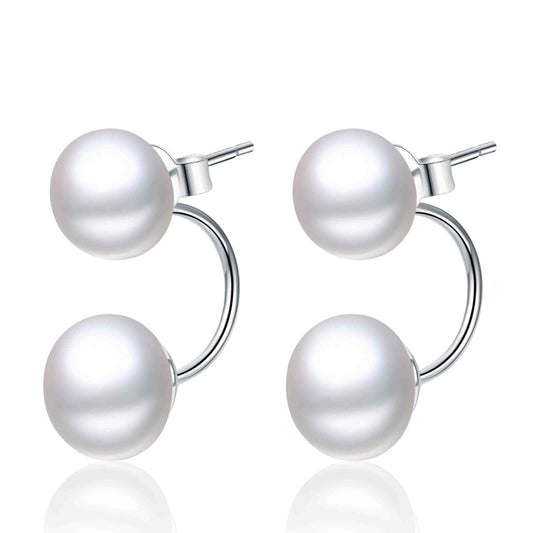
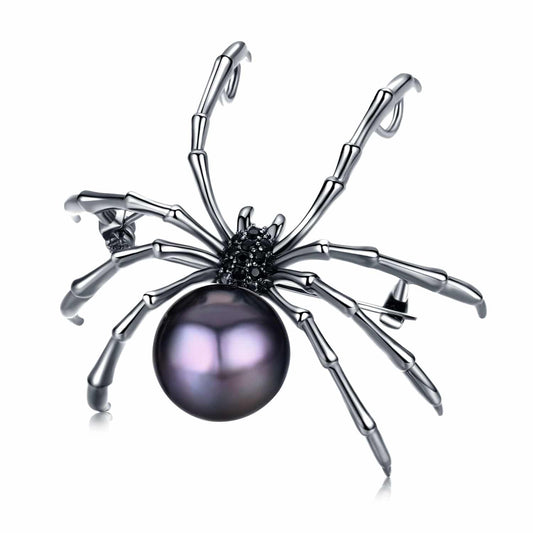
Purple Pearls: Are They Natural? Origins, Rarity, and How to Wear Them
Hold a purple pearl in soft natural light and watch it shift from pale lavender to silver-purple to plum. That shift is part of what makes them so compelling. It raises an immediate question: Does that color come from nature, or was it enhanced through treatment?
Words like "natural," "dyed," "cultured," and "rare" get used loosely in the pearl market. This blog will cover where the purple pearl color comes from, how to read rarity, what to ask before buying, and how to wear each shade with ease.
Are Purple Pearls Natural?
Yes, some purple pearls have a natural color. But not every purple pearl is naturally colored. Always ask for the color origin before purchasing.
Purple tones can appear naturally as body color or overtone, particularly in freshwater and Edison pearls. Vivid or dark purple pearls are more likely to be dyed or treated.
Know the terminology:
- Natural Pearl: Formed without human intervention, extremely rare, and not what most retailers sell
- Cultured Pearl: Grown with human assistance, but can still carry naturally occurring color
- Naturally Colored Cultured Pearl: The accurate phrase for most purple pearl products on the market today
The better question is not "is it real?" It is "is the color natural, treated, or dyed?"
Where Purple Pearl Color Comes From
Pearl color works in three layers:
- Body color is the main color you see.
- Overtone is a secondary color that sits on the surface.
- Orient is the soft, rainbow-like iridescence inside the nacre itself.
Purple can show up as lavender bodycolor, plum bodycolor, rose-purple overtone, silver-purple overtone, or a darker surface treatment.
Light changes everything. The same purple pearl can read luminous in daylight, richer indoors, or more dramatic against ivory or black fabric.
The Main Origins of Purple Pearls
Among rare pearl colors, purple spans multiple pearl types with genuinely different qualities.
|
Pearl Type |
Purple Color Notes |
|
Freshwater pearls |
Naturally produces lavender, pink-purple, and pastel plum tones. |
|
Edison pearls |
Bead-cultured freshwater pearls; larger size, strong luster, plum and metallic shades. |
|
Tahitian pearls |
Dark body colors with aubergine, peacock, or purple-like overtones. |
|
Dyed freshwater pearls |
Vivid purple, dark purple, and blue-purple; often highly uniform in color. |
Freshwater Purple and Lavender Pearls
Freshwater pearls are the most common source of naturally lavender and pink-purple tones. The colors tend toward the soft end: lilac, rose-purple, pastel plum, sometimes with silver or pink overtones.
Freshwater purple pearls move easily between casual and dressed-up settings, especially when styled with delicate, tonal pieces.
Purple Edison Pearls
Edison pearls are large freshwater cultured pearls known for size, strong luster, and a dramatic color range. They appear frequently in dark purple pearl jewelry as single focal pearls, pendants, chokers, and statement necklaces.
Always verify dark or metallic color through clear product details or direct seller disclosure before purchasing.
Tahitian Pearls With Purple Overtones
Tahitian pearls carry complex overtones, including peacock, green, aubergine, rose, and purple-like flashes.
A Tahitian pearl with a purple overtone is a different thing from a freshwater pearl marketed as purple. One is a dark pearl with purple undertones. The other reads purple as its primary color. That distinction matters when comparing options across rare pearl colors.


Natural Color, Dyed Color, and Treated Purple Pearls
Are purple pearls natural across the board? No. Purple pearls fall into four categories:
- Naturally colored
- Dyed
- Irradiated or otherwise treated
- Imitation pearls colored to look purple
Dyed pearls are not a problem by default, but the treatment must be disclosed, and the price should reflect it honestly.
Signs that deserve a closer look:
- Very vivid or neon purple with no color variation
- Perfectly uniform color across every pearl in a strand
- Dark purple freshwater pearls sold with no treatment disclosure
- Color concentrated near drill holes
- Surface color that looks flat
Before purchasing, ask for the pearl type, whether it's cultured or natural, whether the color is natural or treated, a disclosure of any dye or irradiation, a return policy, and a lab report for any high-value piece.
Are Purple Pearls Rare?

Naturally colored purple-family pearls are less common than white and cream, but rarity among rare pearl colors depends on shade, size, luster, shape, surface, and how well a strand is matched. A single purple pearl pendant is far easier to source than a perfectly matched purple pearl necklace.
Rarer: Deep natural purple color, large round purple Edison pearls, strong luster paired with a clean surface, well-matched purple strands, dark purple pearls with credible natural-color disclosure.
More accessible: Dyed purple strands, small lavender freshwater pearls, fashion or imitation pearls in purple.
For the most confident choice, look beyond the word “purple” and ask how the pearl’s color, luster, matching, and disclosure support its rarity.
What Makes a Purple Pearl Valuable?
Color alone does not determine value. A dull purple pearl is not automatically worth more than a luminous lavender one.
Evaluate all seven factors:
- Luster: Sharp reflection and glow, above all else
- Color: Shade depth, overtone quality, and natural origin
- Size: Larger purple pearls are harder to match and source
- Shape: Round and near-round tend to carry more value; baroque reads more artistic
- Surface: Fewer blemishes, cleaner finish
- Nacre quality: Supports both beauty and long-term wear
- Matching: Critical for strands and earring pairs
It is not recommended to buy based on color alone. A beautiful purple pearl should feel balanced, luminous, and well understood before it feels rare.
How to Wear Purple Pearls
Dark purple pearl jewelry reads dramatic and composed. Lighter shades feel romantic and soft. The one rule that holds across all of them: let purple be the color moment and keep everything else quiet.
- Lavender Pearls: Ivory, blush, champagne, gray, soft knits, floral dresses
- Silver-Purple Pearls: Black, white, navy, cool tailoring, silk blouses
- Plum Pearls: Burgundy, espresso, cream, satin, eveningwear
- Dark Purple Pearls: Black dresses, structured blazers, deep jewel tones, minimal outfits
Try a purple pearl pendant with a black dress; a lavender pearl necklace over cream knitwear; dark purple pearl jewelry with a white blouse and tailored trousers; purple pearl earrings with a sleek updo; or an Edison purple pearl pendant on a clean, simple neckline.
FAQs
Are purple pearls natural?
Some purple pearls have naturally occurring color, especially freshwater and Edison pearls, but vivid or dark purple pearls may be dyed or treated.
Are purple pearls real pearls?
They can be real cultured pearls, dyed cultured pearls, treated pearls, or imitation pearls, so always check the product details.
Are dark purple pearls rare?
Naturally colored dark purple pearls with strong luster, clean surfaces, and clear disclosure can be rare, whereas dyed dark purple pearls are more readily available.
What is the difference between lavender pearls and purple pearls?
Lavender pearls are softer and lighter in tone, while purple pearls may include deeper plum, silver-purple, or dark purple shades.
What should I look for in a purple pearl necklace?
Look for pearl type, color origin, treatment disclosure, luster, size, surface quality, matching, and metal details.
Find a Purple Pearl That Tells the Right Story

Purple pearls can be naturally colored, treated, dyed, pale, dark, subtle, or striking. Beauty starts with understanding the origin. Rarity depends on luster, size, shape, surface, nacre, matching, and honest disclosure.
If you are drawn to color with depth and refined individuality, explore Timeless Pearl Purple Jewelry Collection.