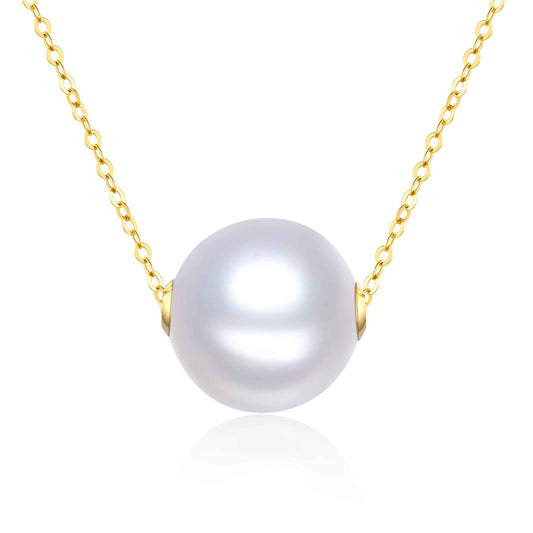
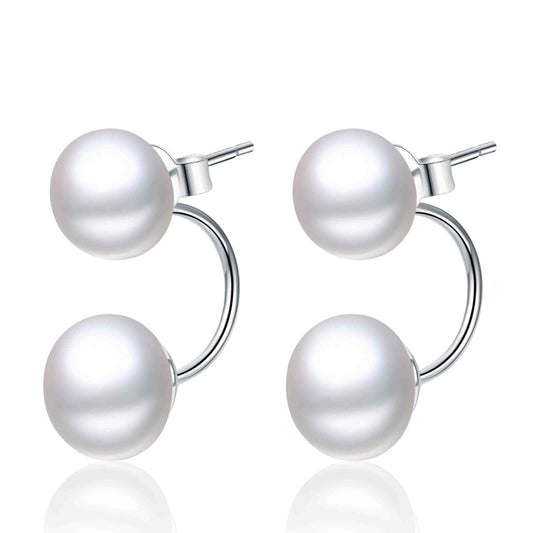
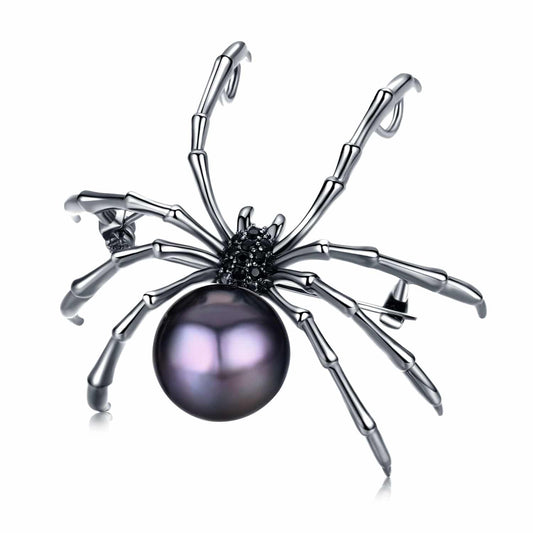
Where Do South Sea Pearls Come From?
South Sea pearls begin in some of the world’s warmest and most pristine ocean waters, where time, environment, and oyster type shape their extraordinary presence. Cultured slowly inside the Pinctada maxima oyster, they reflect their origin through generous size, deep nacre, and a soft, satiny glow.
South Sea pearls are cultured primarily in Australia, Indonesia, the Philippines, and Myanmar. This blog will explore where they come from, what influences their color and value, and how they compare with Akoya and Edison pearls.
What Are South Sea Pearls?
South Sea pearls are saltwater cultured pearls produced by the Pinctada maxima oyster. They are widely recognized as the largest cultured pearls available, with sizes typically ranging from 8mm to 18mm.
Their body colors fall into two main families: white and silver on one side, golden on the other. "South Sea" is not simply a color category. It refers to both the geographic region and the pearl type, defined by the oyster species and the ocean environment in which they grow.
Where Do South Sea Pearls Come From?
South Sea pearl origin spans four primary regions: northern Australia, Indonesia, the Philippines, and Myanmar. These locations share warm tropical waters, protected marine environments, and the conditions the Pinctada maxima oyster needs to thrive.
Origin matters beyond geography because the growing environment directly affects nacre thickness, color, luster, and rarity, all of which shape the pearl's final value.
Australia
Western Australia, particularly the Kimberley region, produces some of the most recognized South Sea pearls in the world. Australian pearls are associated with large size, thick nacre, and a soft satin luster that distinguishes them from brighter saltwater types.
South Sea pearls grown in the southern hemisphere from Pinctada maxima are among the rarest saltwater pearls available. White and silver tones dominate Australian production.
Indonesia
Indonesia produces both white and golden South Sea pearls across its warm island waters. The variety within Indonesian production is notable, with pearl tones ranging from clean white to creamy champagne and warm gold.
The specific water conditions and oyster populations across different Indonesian regions contribute to this range of color expression.
The Philippines
The Philippines is a major source of golden South Sea pearls. Gold-lipped Pinctada maxima oysters are more prevalent here, and the shell's inner lip color plays a direct role in producing warm golden body tones.
Philippine golden South Sea pearls are among the most sought-after in this color category.
Myanmar
Myanmar is a smaller but recognized South Sea pearl origin. Its coastal waters support Pinctada maxima cultivation, and pearls from this region round out the broader geography of South Sea production, though output remains more limited than in Australia, Indonesia, or the Philippines.
Together, their rare oyster source, tropical origins, and luminous scale are what give South Sea pearls their quietly majestic presence.


Why the Pinctada Maxima Oyster Matters
The Pinctada maxima is one of the largest pearl-producing mollusks, and its size is a direct reason why South Sea pearls grow larger than most other pearl types.
The oyster also comes in two varieties:
- Silver-lipped Oyster: Tends to produce white and silver pearls.
- Gold-lipped Oyster: Produces the warm golden tones associated with the Philippines and parts of Indonesia.
The oyster's slow growth rate allows nacre to build in thick, even layers, which contributes to the characteristic depth and luster South Sea pearls are known for.
How Origin Shapes South Sea Pearl Color

South Sea pearls fall into two major color families:
- White South Sea pearls, linked primarily with Australia and silver-lipped oysters, carry overtones of silver, cream, and soft pink.
- Golden South Sea pearls, most strongly associated with the Philippines and Indonesia, range from champagne and soft gold to deep, saturated gold.
The overtone spectrum within each family adds significant variation, and pearl buyers often choose based on skin tone compatibility alongside origin preference.
South Sea Pearls Compared With Other Pearl Types
Use this table as a quick visual guide to see how South Sea pearls differ from other pearl types in origin, size, color, luster, and styling purpose.
|
Pearl Type |
Origin |
Water Type |
Oyster/Mussel |
Size |
Color |
Luster |
Best For |
|
South Sea |
Australia, Indonesia, Philippines, Myanmar |
Saltwater |
Pinctada maxima |
8-18mm |
White, silver, golden |
Soft satin |
Statement pieces, bridal |
|
Akoya |
Japan, China |
Saltwater |
Pinctada fucata |
Under 9mm |
White, cream, pink |
Mirror-bright |
Classic strands, everyday elegance |
|
Tahitian |
French Polynesia |
Saltwater |
Pinctada margaritifera |
8-16mm |
Dark, grey, green, peacock |
Deep, metallic |
Bold, modern wear |
|
Freshwater |
China |
Freshwater |
Hyriopsis mussel |
4-12mm |
White, pink, lavender |
Soft to bright |
Everyday wear, gifting |
|
Edison |
China |
Freshwater |
Hyriopsis mussel |
9-16mm |
Wide color range |
High, near-round |
Color variety, accessible luxury |
South Sea pearls stand apart for their rare scale and soft satin glow, making them the most naturally regal choice when the moment calls for quiet grandeur.
Akoya Pearls Vs South Sea Pearls
Akoya pearls are typically smaller, with sizes usually under 9mm, and they are known for a sharp, mirror-bright luster that reads as precise and classic.
South Sea pearls are larger, softer in glow, and more statement-oriented in scale. Both are saltwater-cultured pearls, but differences in oyster species, growing conditions, and size range create noticeably different looks and wearing experiences.
Edison Pearl Vs South Sea Pearl
Edison pearls are freshwater pearls cultivated in rivers, lakes, or streams, primarily in China. South Sea pearls are saltwater pearls grown in ocean environments.
In our Edison vs South Sea guide, this water-type difference is one of four key distinctions between the two. Edison pearls offer size and a wide color range at a more accessible price. South Sea pearls offer a rare saltwater origin, thick nacre, and a classic luxury character that is tied directly to place.
Why South Sea Pearl Origin Affects Value

Origin is one piece of a larger value picture. Rarity, slow cultivation timelines, nacre thickness, luster quality, shape regularity, and the difficulty of matching pearls for a strand all factor in.
When buying, ask specifically about the pearl's region of origin, whether the oyster was silver-lipped or gold-lipped, whether any color treatment was applied, and which grading standard the seller uses.
These questions turn the origin story into a practical guide for understanding what you are paying for and why.
FAQs
Are South Sea pearls only from Australia?
No, they mainly come from Australia, Indonesia, the Philippines, and Myanmar.
Are South Sea pearls freshwater or saltwater?
South Sea pearls are saltwater cultured pearls.
What makes South Sea pearls different from Akoya pearls?
South Sea pearls are usually larger with a softer satin glow, while Akoya pearls are smaller and more mirror-bright.
Are Edison pearls the same as South Sea pearls?
No, Edison pearls are freshwater pearls, while South Sea pearls are saltwater pearls grown in ocean environments.
Choose a Pearl With a Story of Place
South Sea pearls carry their origin in everything visible about them: the size that comes from a large, slow-growing oyster, the nacre depth shaped by warm saltwater, and the color tones that trace back to specific coastlines and oyster varieties.
Understanding where they come from makes choosing one more intentional. At Timeless Pearl, we invite you to explore our South Sea pearl jewelry collection with that context in hand.