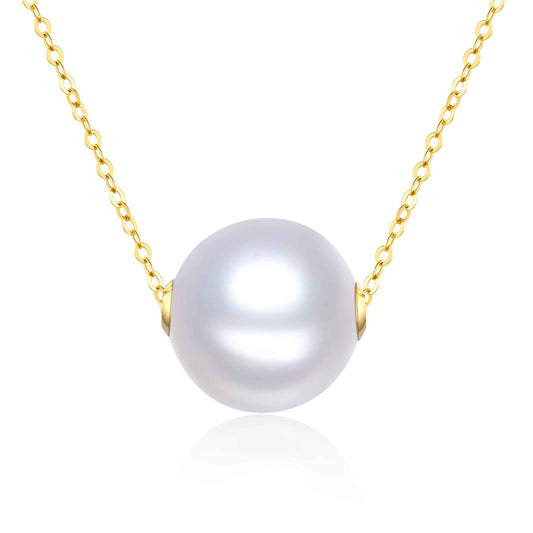
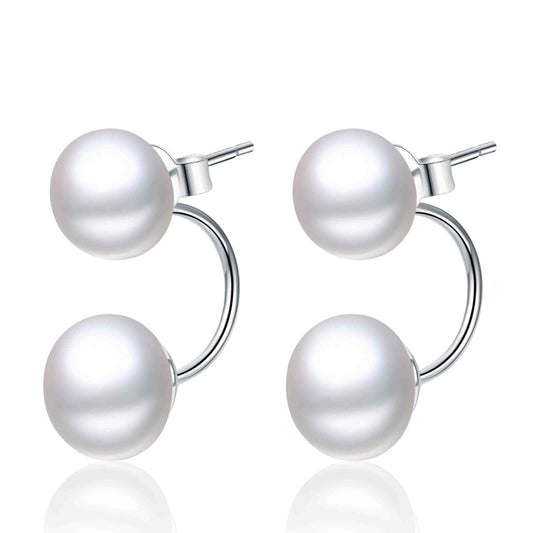
What Gives Pearls Their Color? Why Some Pearls Come Out Pink or Grey
Place two pearls side by side, and the difference can stop you. One sits softly blush, almost warm against the skin. The other holds a cool, smoky grey that shifts under light. Both are pearls, yet they look nothing alike. So what gives pearls their color, and why do pink and grey appear so differently from one another?
Pearl color is shaped by nacre, mollusk type, overtones, and the environment where the pearl forms. In this blog, we will focus specifically on what creates pink and grey tones and what those differences mean when you are choosing a pearl.
What Are the Main Factors That Give Pearls Their Color?
What gives pearls their color begins with nacre, the luminous material secreted by a mollusk in layers around an irritant. As those layers build, they determine how the pearl reflects and absorbs light, and that interaction produces color.
Pearl color has three visible components:
- Bodycolor: The pearl's main visible color, such as white, cream, grey, or pink.
- Overtone: A secondary tint that appears over the bodycolor, often rose, silver, green, or blue.
- Orient: A subtle, rainbow-like iridescence visible in some pearls when light moves across the surface.
Pink and grey may appear as bodycolors, overtones, or a combination of both. The mollusk species and its shell lining also influence the nacre color directly, which is why different pearl types tend to produce different natural color ranges.
What Gives Pink Pearls Their Color?
Pink pearls most often get their blush from rose or pink overtones layered over a white, cream, or peach bodycolor. The pink does not always live in the base of the pearl. In many cases, it floats above it as an overtone, giving the surface a soft, warm glow.
Pink tones can also come directly from the natural color of the mollusk's nacre. Freshwater pearls, in particular, are commonly associated with natural pastel tones, including soft pink, peach, and lavender. The thickness and layering of nacre can make the pink appear softer, warmer, or more luminous depending on how deeply the nacre has built up.
Some pink pearls are color-treated or dyed. Natural pink and treated pink can look similar to the eye, so it is worth asking whether the color is natural or enhanced before purchasing.


Why Some Pink Pearls Look Rosy, Peachy, or Lavender
Pink is not a single shade. The final appearance of a pink pearl depends on how its bodycolor and overtone interact, and the result can vary considerably.
- Rose overtones create a classic, clean blush-pink appearance.
- Peach undertones make the pearl look warmer and softer, almost golden-pink.
- Lavender overtones push the pink toward a cooler, more violet tone.
Nacre thickness and light also shape what the eye sees. A pearl with thin nacre may show a flatter pink, while one with deep, well-layered nacre will reflect the color with more dimension and movement.
What Gives Grey Pearls Their Color?

Grey pearls get their color from darker nacre, deeper shell-lining influence, or a naturally darker bodycolor produced by the mollusk. The grey is not a single tone. It ranges from pale silver and dove grey to blue-grey, smoky, and near-charcoal.
Some grey pearls carry silver, green, blue, or purple overtones that change how the grey reads entirely. Tahitian pearls are especially known for producing naturally dark shades, including grey, silver, and charcoal, because they grow inside the black-lipped oyster, which produces darker nacre by nature.
As with pink pearls, some grey pearls are dyed or treated to achieve or deepen the grey tone. Disclosure from the seller matters here, and buyers should ask directly when the color origin is not clear.
Why Some Grey Pearls Look Silver, Blue, or Charcoal
Grey pearls vary widely because bodycolor and overtone work together to produce the final appearance.
- Silver overtones create a brighter, cooler grey with a light, reflective quality.
- Blue overtones give the pearl a steely or oceanic depth.
- Green or purple overtones make grey pearls look richer and more dramatic.
- Charcoal tones usually come from a darker bodycolor combined with strong nacre depth and density.
Two grey pearls from the same strand can read differently depending on the angle of light, which is part of what makes this color range so visually engaging.


Natural Color vs Treated Color in Pink and Grey Pearls
Pink and grey tones can be natural, treated, or dyed depending on the pearl type and the seller. Natural color forms entirely through nacre and mollusk influence, with no post-harvest intervention. Treated or dyed color is added or enhanced after the pearl forms.
Here are a few signs that may indicate treatment:
- Color that looks unusually uniform across a full strand.
- Tones that appear overly saturated or bright for the pearl type
- Color concentrated near drill holes
These are not definitive, but they are worth asking about.
Treated pearls can still be beautiful and well-made. The point is not to avoid them, but to know what you are choosing. A pearl with a natural blush and one with an enhanced pink can both be lovely, and the difference in price should reflect the difference in origin.
FAQs
What gives pearls their color?
Pearl color comes from nacre, mollusk type, bodycolor, overtones, orient, and sometimes treatment. These factors work together to produce the final appearance.
What gives pink pearls their color?
Pink pearls often get their color from rose overtones, pastel nacre, mollusk influence, or color treatment. Freshwater pearls are among the most common sources of natural pink tones.
What gives grey pearls their color?
Grey pearls usually come from darker nacre, deeper bodycolor, shell influence, or added treatment. Tahitian pearls are the most recognized natural source of grey tones.
Are pink pearls naturally pink?
Some are naturally pink-toned, while others may be dyed or color-enhanced. Asking the seller about color origin is the most direct way to confirm.
Are grey pearls naturally grey?
Yes, some grey pearls are naturally grey, especially darker pearl varieties like Tahitian. Treated options also exist, so disclosure from the seller is important.
Understanding the Color Behind Pink and Grey Pearls

Pink pearls get their color from rose overtones, pastel nacre, mollusk influence, and sometimes treatment. Grey pearls get theirs from darker bodycolor, deeper nacre tones, overtones, and in some cases, enhancement. In both, what gives pearls their color is a combination of nature's layering process and, at times, human intervention after the fact.
Color is not just appearance. It tells you something about how the pearl formed, where it came from, and what to look for when comparing pieces. The more clearly you understand what you are seeing, the more confidently you can choose.
Explore Timeless Pearl Tahitian Jewelry Collection to find the shade whose natural glow speaks to you.